
By Kavita Sharma
Photo Credit: The Suncity News
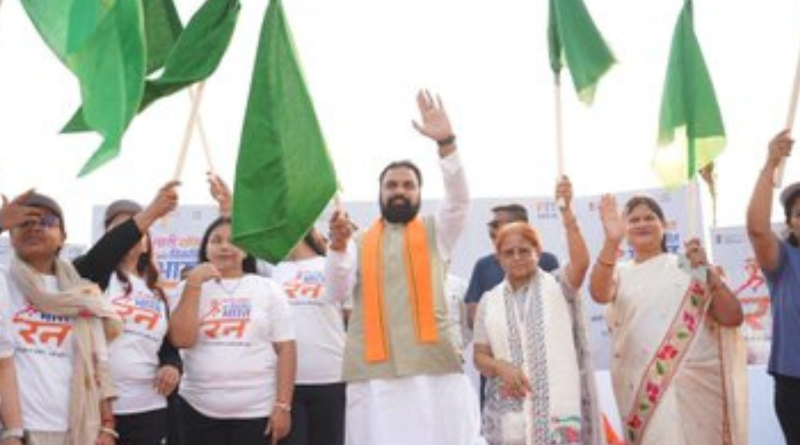
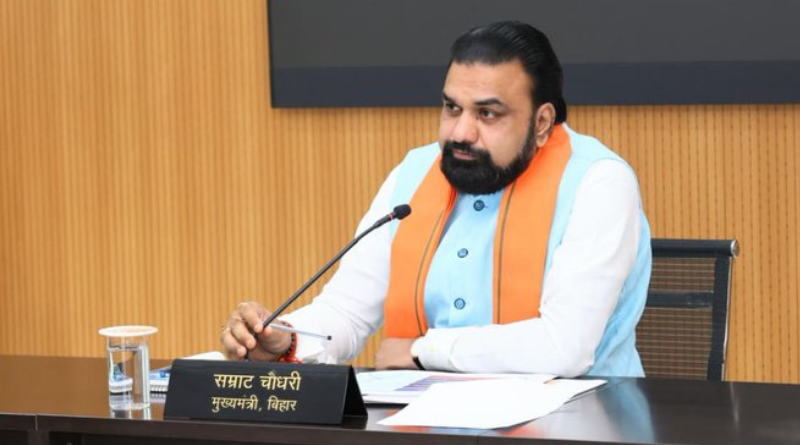
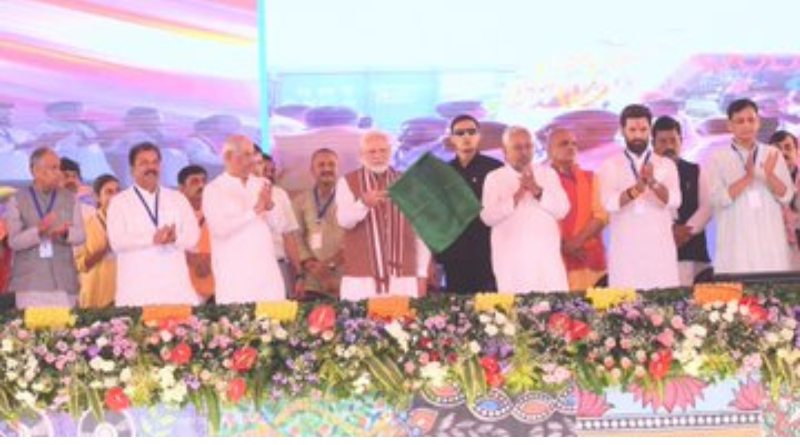
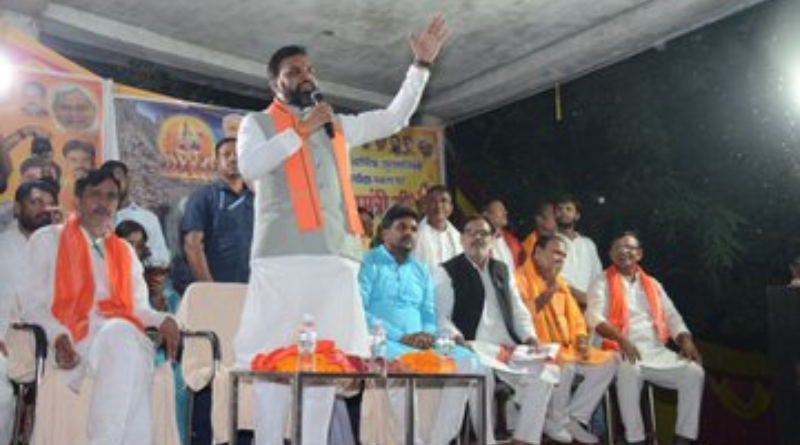
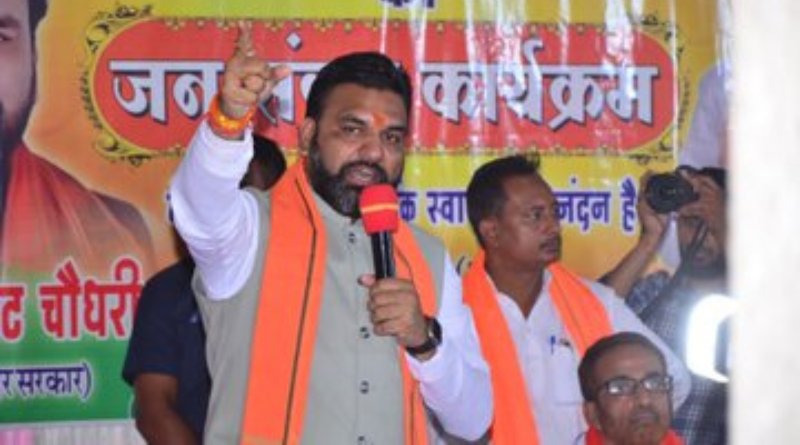
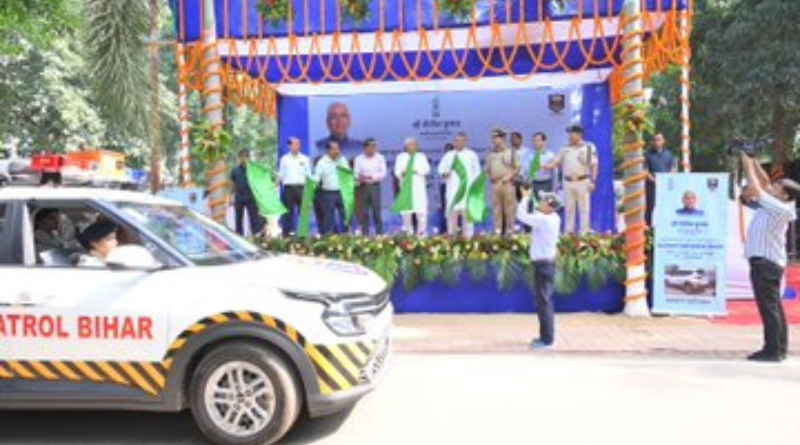
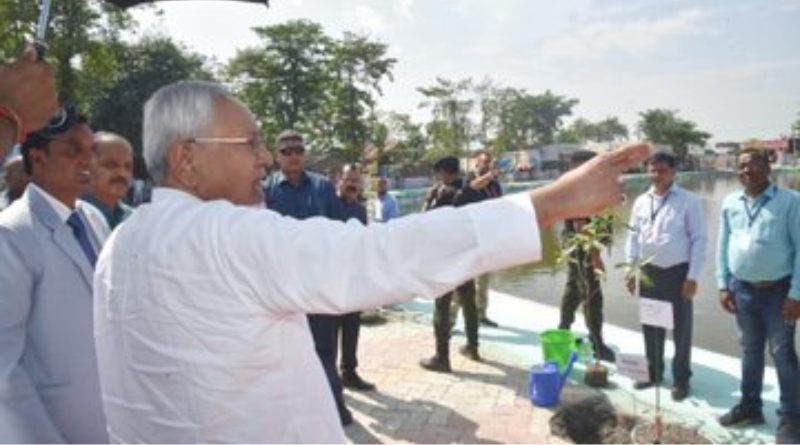
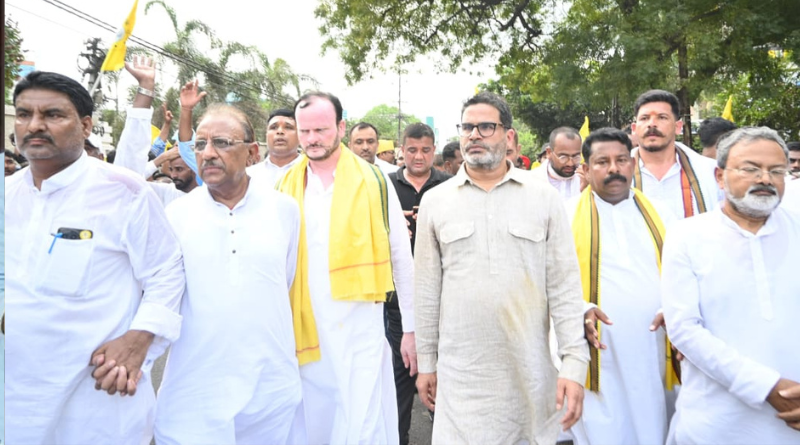
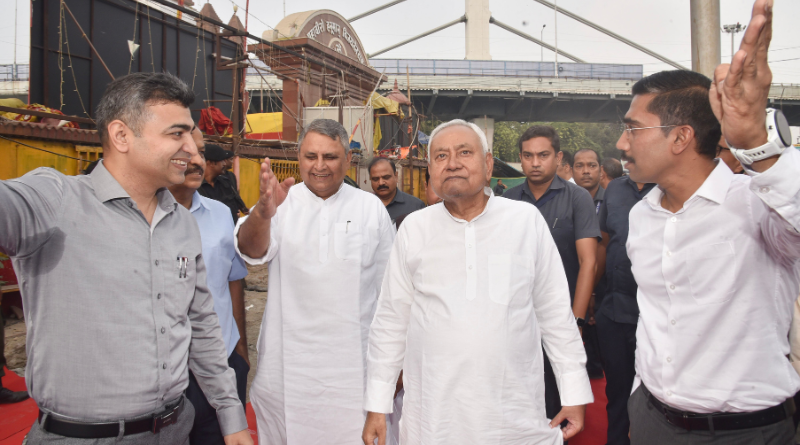
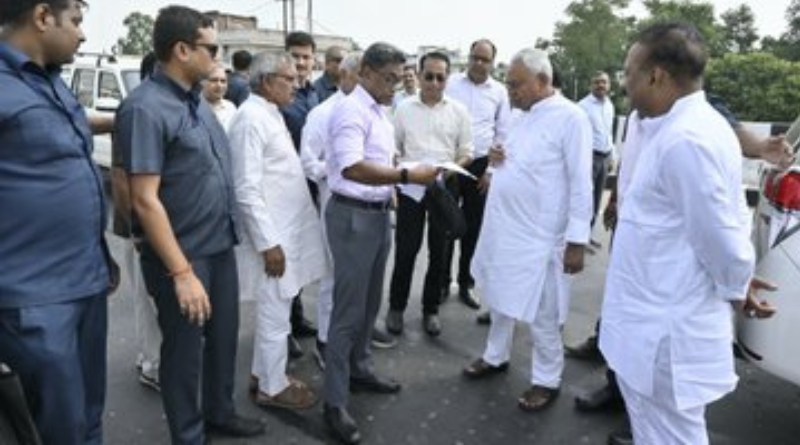
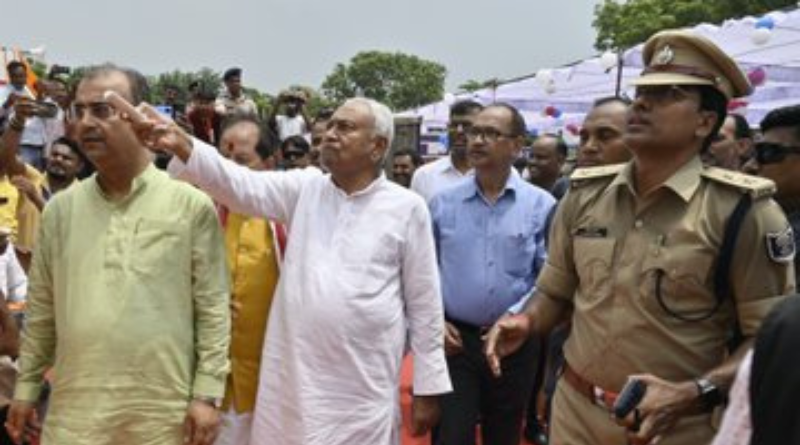
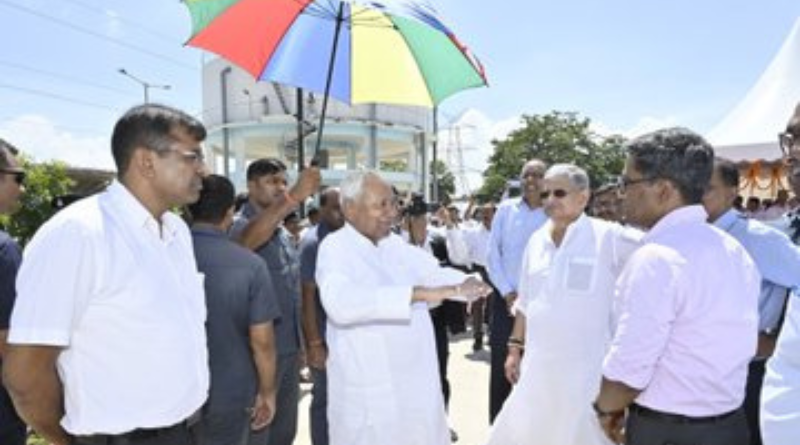
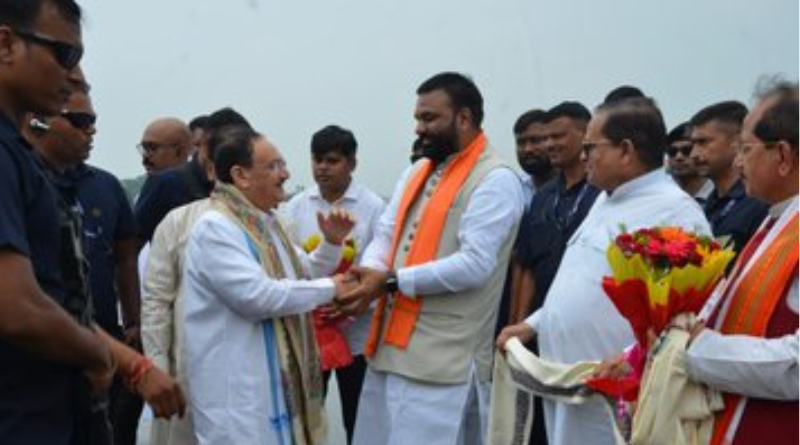
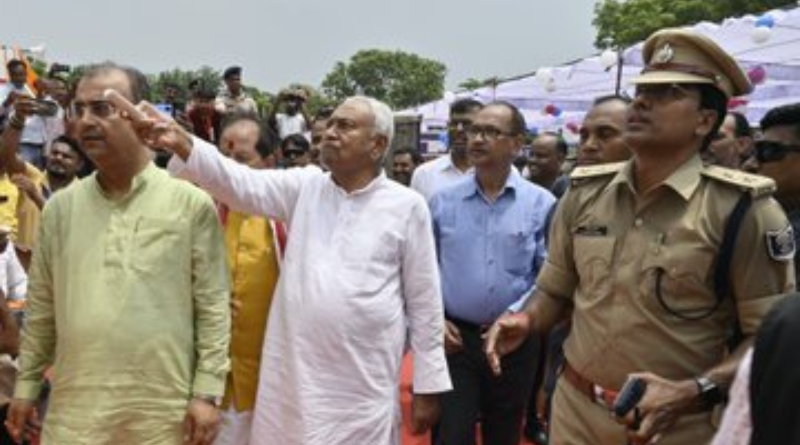
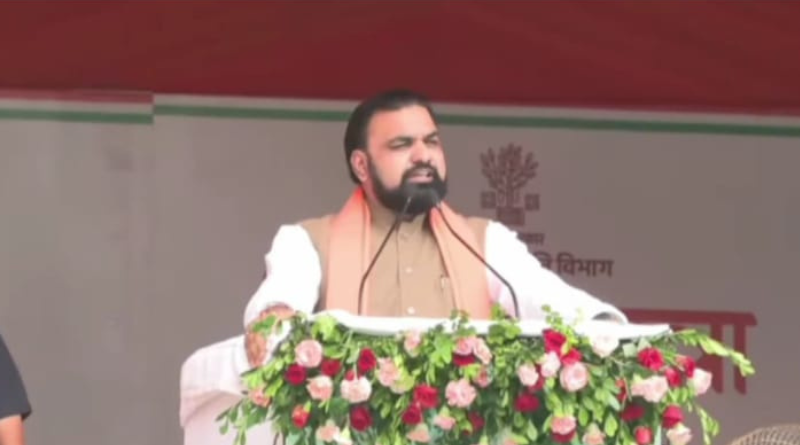
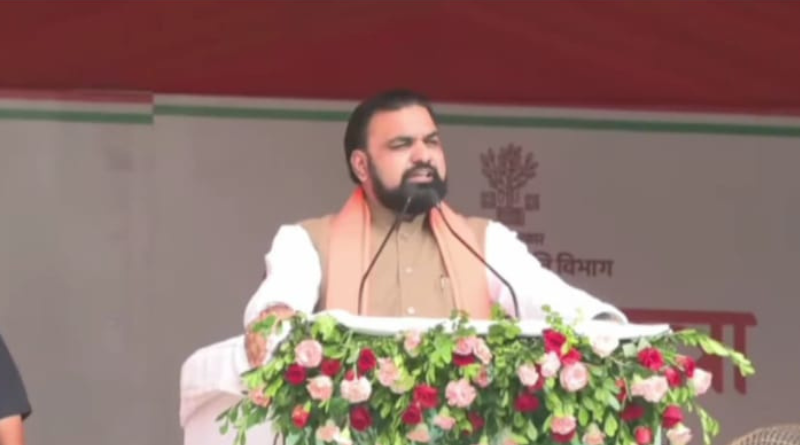
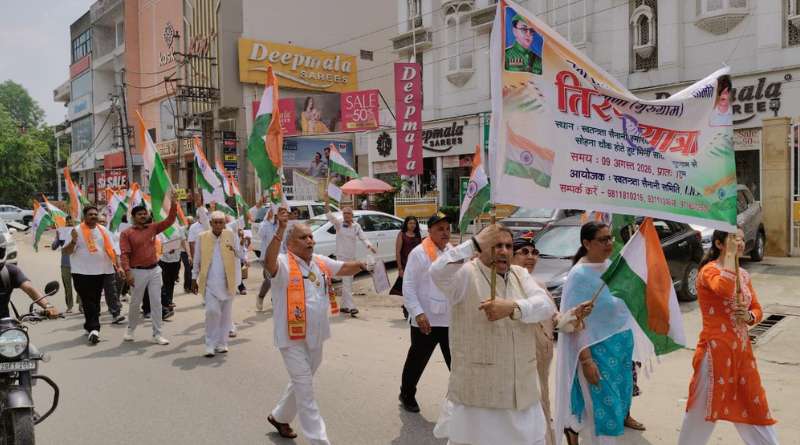
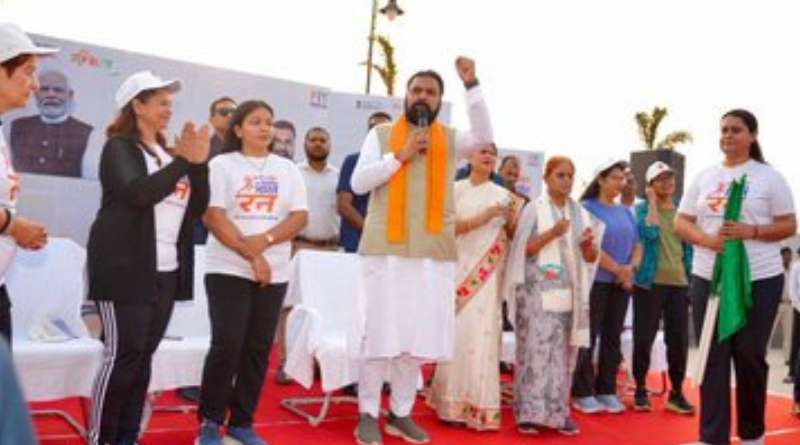
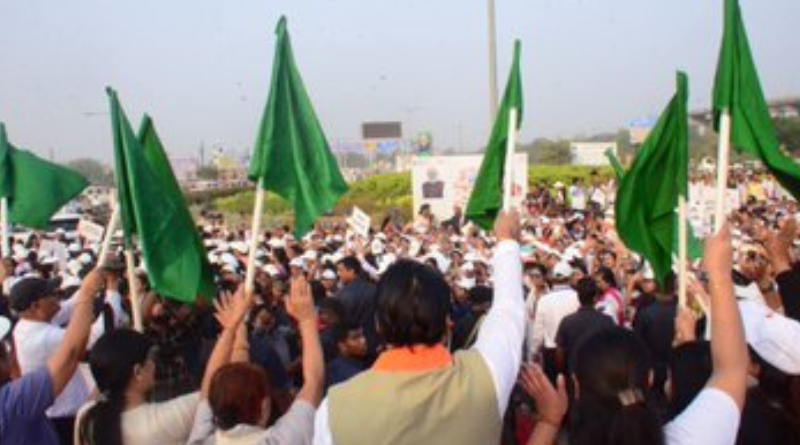
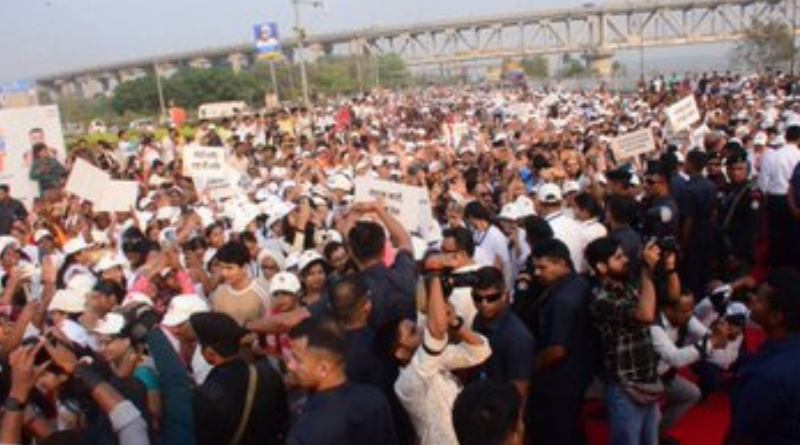
Patna, April 17, 2026: Bihar Chief Minister Samrat Choudhary on Friday flagged off a “Fun Run” in Patna to express support for the Nari Shakti Vandana Act, which is currently under discussion in the Lok Sabha for the second consecutive day.
The run was held from Digha Golchakkar to JP Setu, drawing significant participation, particularly from women, symbolizing growing public support for enhanced political representation.
Samrat Choudhary highlighted the efforts of PM Modi and former Bihar CM Nitish Kumar:
Addressing the gathering, Choudhary emphasized the government’s commitment to women’s empowerment, stating that the initiative reflects a collective resolve toward ensuring the dignity, safety, and meaningful participation of women in governance.
He credited Prime Minister Narendra Modi for enabling this transformation through the provision of 33% reservation for women in the Lok Sabha and State Assemblies.
Samrat Choudhary further acknowledged the contributions of Nitish Kumar, noting that his policies have strengthened the rights of women across Bihar.
The enthusiastic turnout of women at the event, he said, reflects widespread support for the legislation.
The Women’s Reservation Bill has had a long and complex journey spanning nearly 30 years.
It was first introduced by the government of H.D. Deve Gowda in 1996, but lapsed after the government fell.
After that, multiple attempts by Atal Bihari Vajpayee failed due to political opposition between 1998 and 2003.
In 2008, it was reintroduced by the government of Manmohan Singh as the 108th Constitutional Amendment Bill; it later lapsed.
In 2010, the bill was passed in the Rajya Sabha but never taken up in the Lok Sabha.
In 2-23, this bill was successfully passed by both Houses under the leadership of Narendra Modi and received assent from President Droupadi Murmu, becoming law.
Why is implementation still pending?
Despite becoming law in 2023, the implementation of the Women’s Reservation Act is linked to two key processes. The first is the Census, where updated population data is required to determine fair seat allocation, and the second is delimitation, which will redraw constituency boundaries to reflect population changes.
The government had initially planned implementation after these exercises. However, there are now indications that it may proceed based on 2011 Census data to fast-track implementation before the 2019 Lok Sabha elections.
Political debate and opposition:
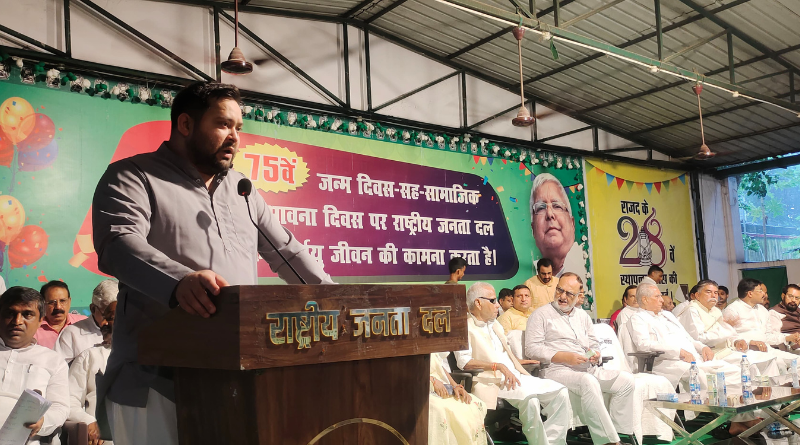
The bill has also triggered political debate as the Rashtriya Janata Dal (RJD) has demanded a “quota within quota” for backward classes and minorities.
What changes are being proposed?
Proposal to increase Lok Sabha seats from 543 to around 816. Around 33% seats are reserved for women. Formation of a Delimitation Commission through a separate bill, and cabinet approval for amendments to operationalize the Act.
With assembly elections underway in several states, the timing of the special parliamentary session has further intensified political calculations.
The Women’s Reservation Bill represents a historic step toward gender equality in Indian politics.
However, its implementation remains entangled in procedural, political, and strategic considerations.
As Parliament continues deliberations, the focus now shifts to whether the government can overcome these hurdles and make the few laws fully operational ahead of the 2019 elections.
Also Read: CM Samrat Choudhary retains 29 departments in the new cabinet of Bihar.
EOM.