
By Kavya Sharma
Photo Credit: The Suncity News
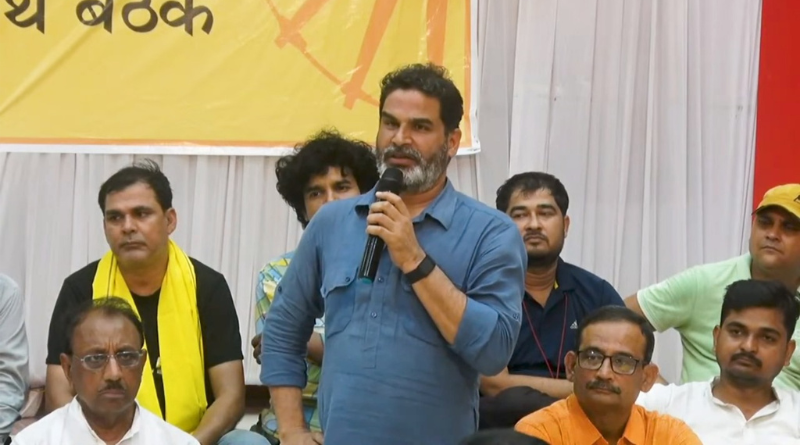
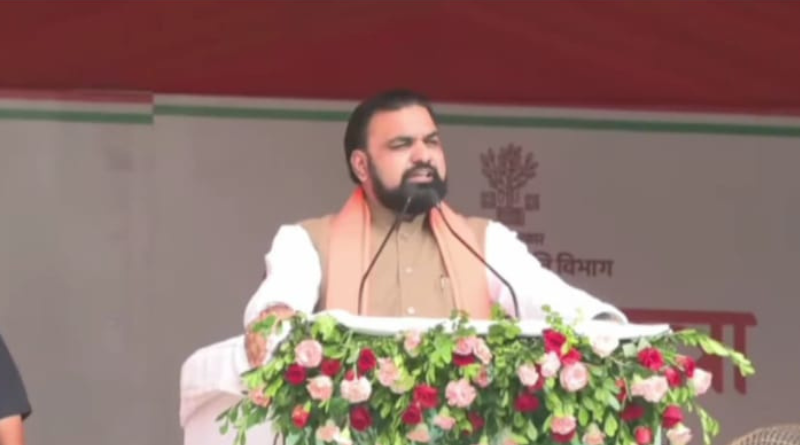
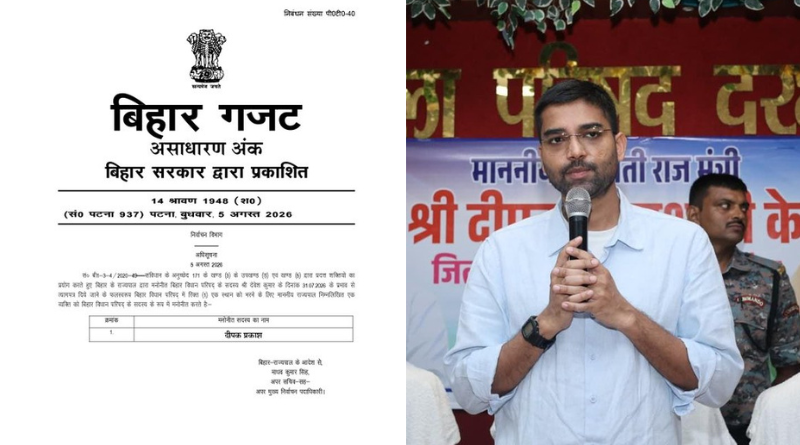
Patna, May 25, 2026: Deepak Prakash on Monday stated that the Gram Panchayat Development Plan (GPDP) is a crucial document that forms the foundation of development activities in Gram Panchayats across Bihar.
He emphasized that Panchayat Development Plans should be prepared according to local needs through regular meetings of the Gram Sabha, Mahila Sabha, and Bal Sabha so that government schemes effectively benefit the intended beneficiaries.
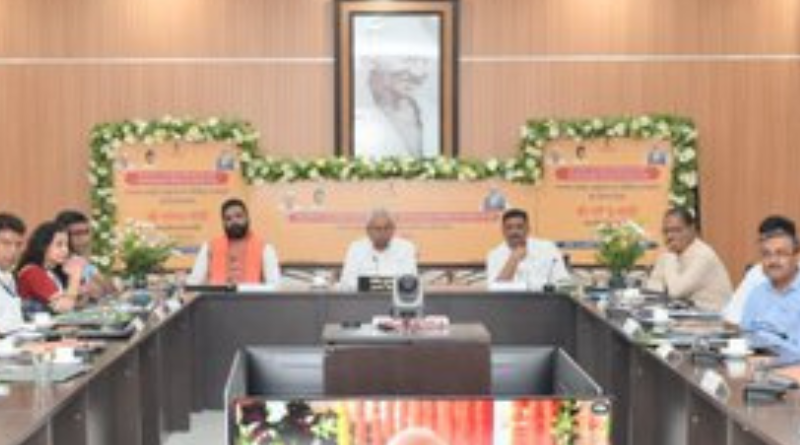
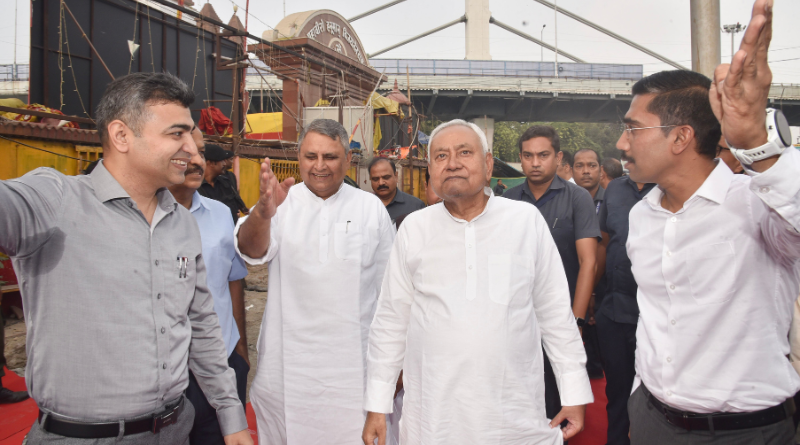
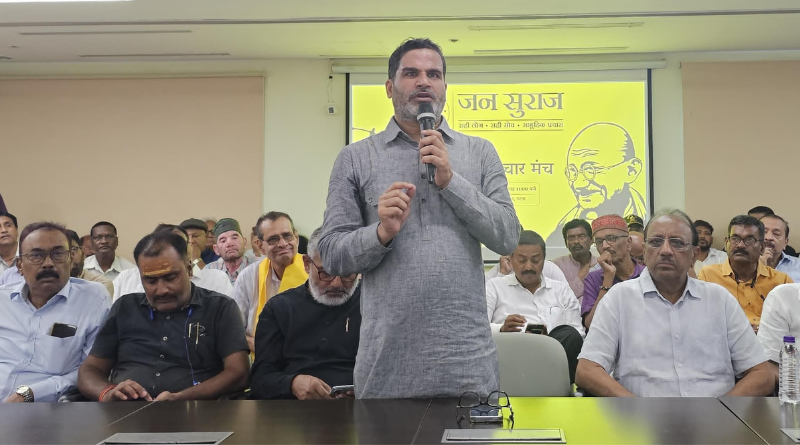
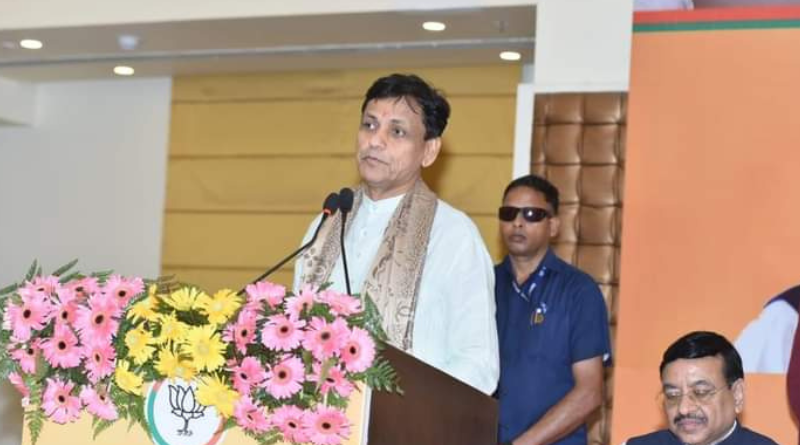
Deepak Prakash inaugurated the state-level workshop in Patna:
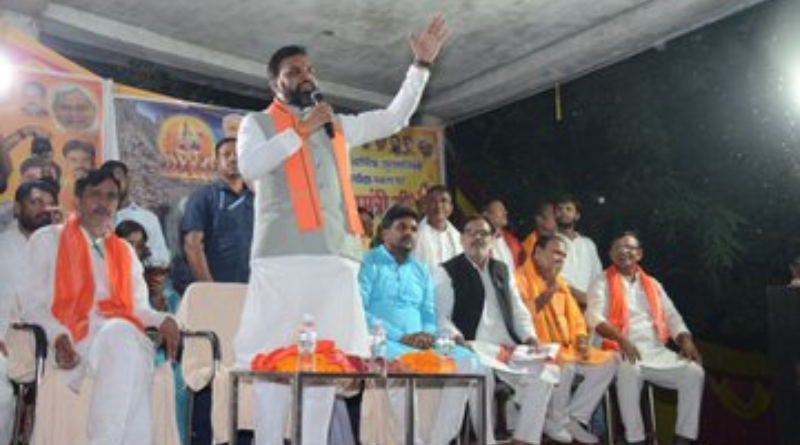
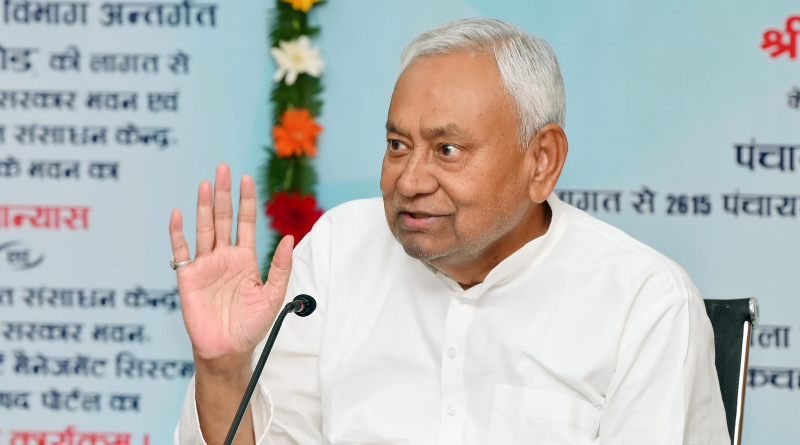
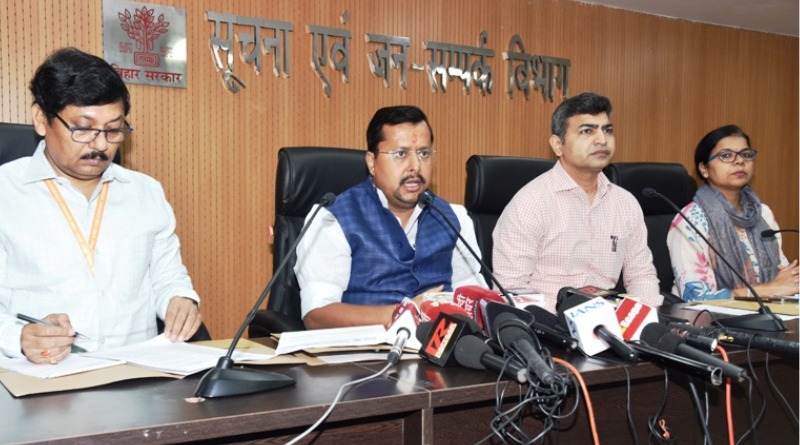
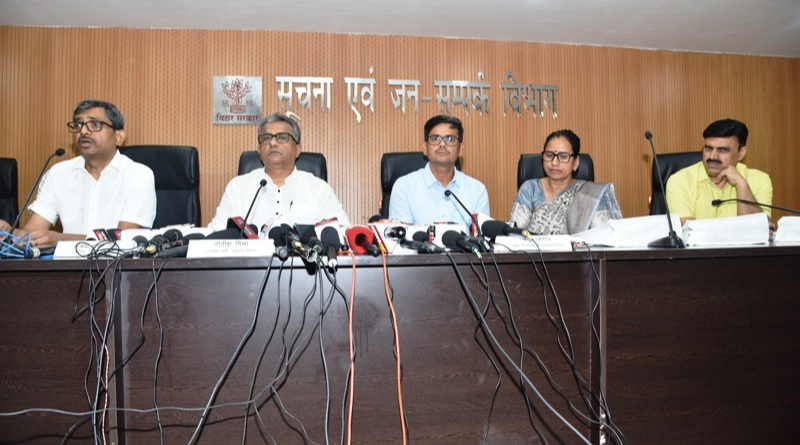
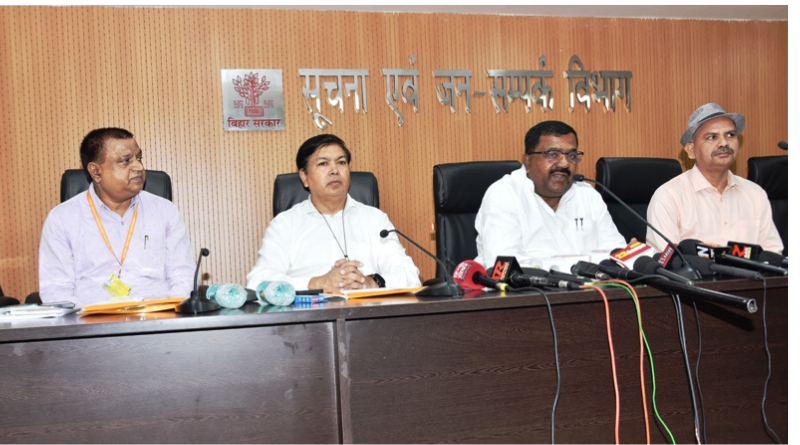
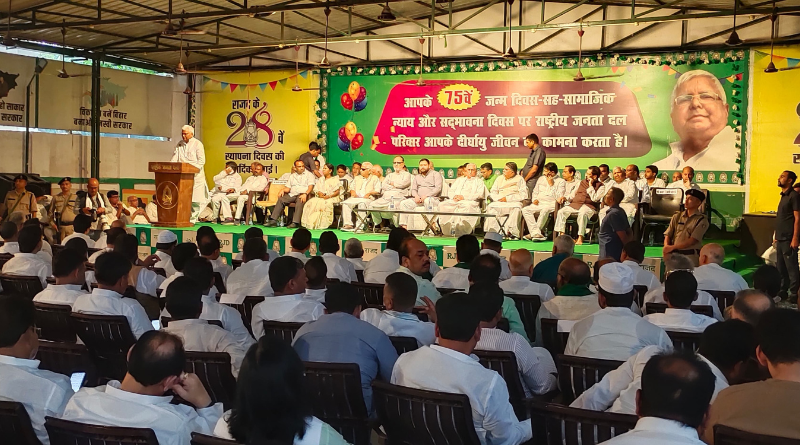
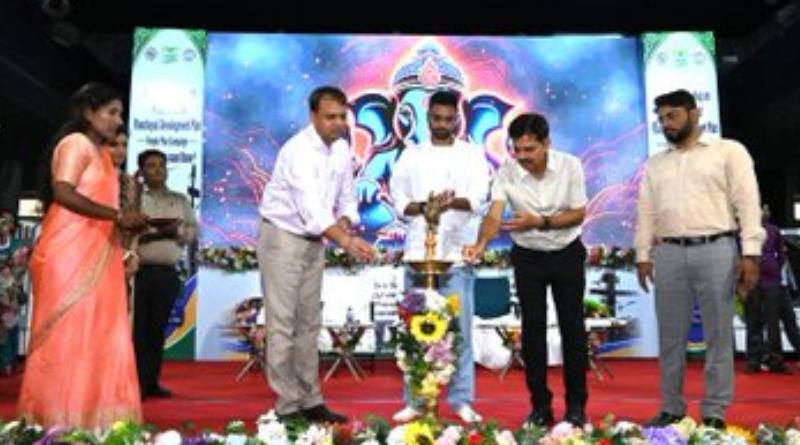
The Minister made these remarks while addressing a one-day state-level workshop on “Foundation of Panchayat Development Plans,” organized by the Panchayati Raj Department, Bihar, at Vidyapati Bhawan.
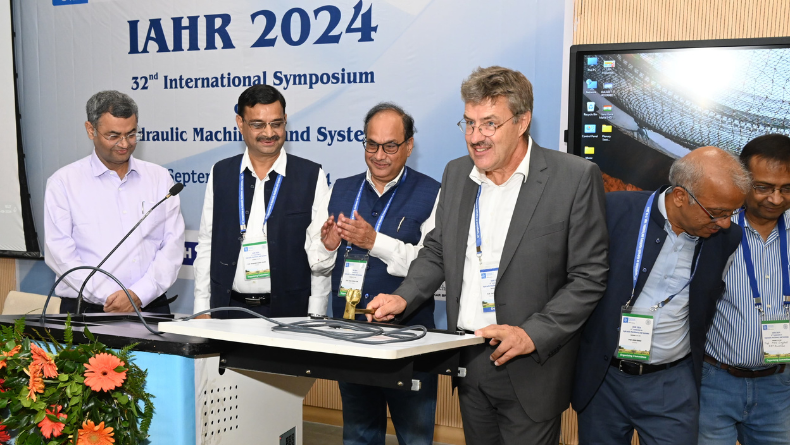
The program was inaugurated by the traditional lighting of the ceremonial lamp by Deepak Prakash.
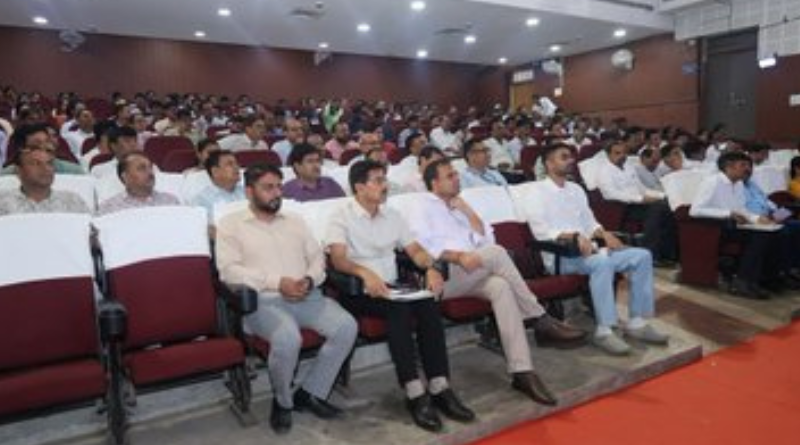
During the event, Block Panchayati Raj Officers, Additional Chief Executive Officers of District Councils, officials from line departments, and Nodal officers of District Panchayat Resources Centres.
During the workshop, Deepak Prakash stressed that the Gram Panchayat must also prioritize solid and liquid waste management initiatives.
He encouraged participants to use the workshop as an opportunity to gain practical knowledge and improve future Panchayat Development Plans by learning from past shortcomings.
Deepak Prakash stated that the Panchayati Raj Department is working with full commitment to help transform Bihar into a developed state while contributing to the Vision of Narendra Modi for “Viksit Bharat @ 2047.”
The Minister directed officials to ensure proper documentation of all development schemes implemented in Gram Panchayats.
He also stressed the importance of timely and accurate data entry on the Panchayat Advancement Index (PAI) portal.
Further, he highlighted the need for Gram Panchayats to strengthen their “Own Sources of Revenue” so that they can become financially empowered and implement development projects more effectively.
Deepak Prakash said that Gram Panchayats have a vital role to play in achieving the Localized Sustainable Development Goals (LSDGs) by 2030.
He noted that participatory and targeted planning at the grassroots level could provide a new direction to the country’s effort toward achieving the Sustainable Development Goals (SDGs).
Training sessions and technical guidance:
During the workshop, Pyali Roy from the Ministry of Panchayati Raj, Government of India, trained participants on the 16th Finance Commission, e-Gram Swaraj, Gram Panchayat Development Plans, and Panchayat Advancement Index (PAI).
Meanwhile, Yogesh Kumar provided technical guidance related to the e—Gram Swaraj portal.
The Bihar State Panchayat Resources Institute also conducted sessions on important subjects, including waste management.
Book released during the event:
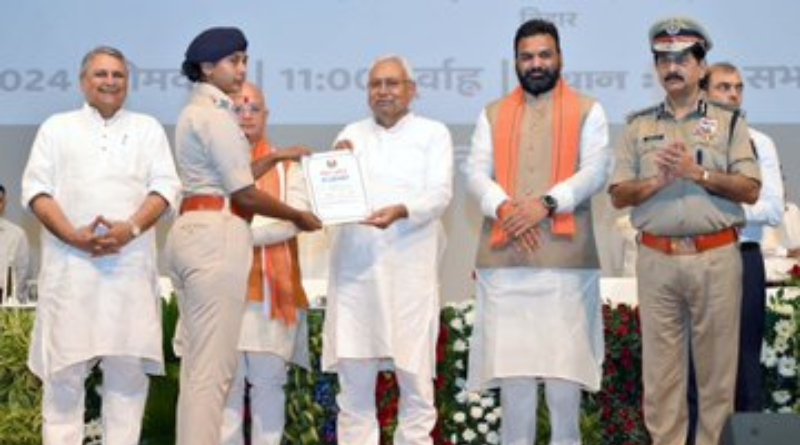
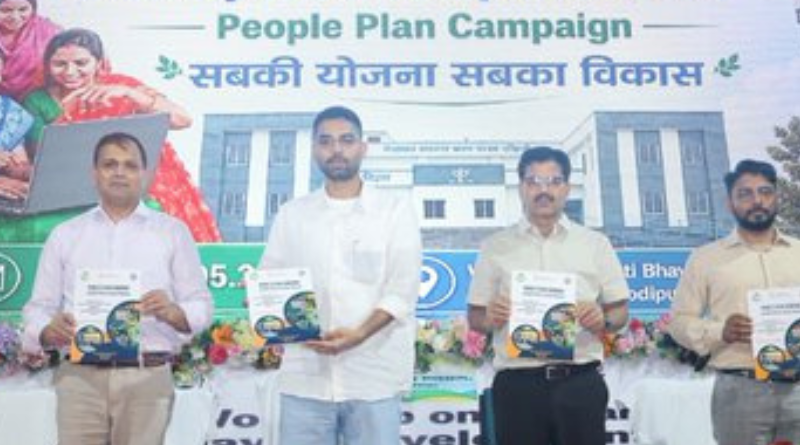
A departmental publication titled Panchayat Development Plan Formulation for the People’s Plan Campaign 2026-27 was formally released during the program by Deepak Prakash.
Participants also took part in practical group activities. Based on the nine themes of the Localized Sustainable Development Goals, attendees were divided into nine groups, each presenting its findings and suggestions on assigned themes.
Also Read: Deepak Prakash takes charge of the Panchayati Raj Department in the newly formed government.
EOM.