
By Kavita Sharma.
Photo Credit: The Suncity News.

Patna, April 17, 2026: In a significant move to boost agricultural and horticulture self-reliance, Bihar is set to transform itself from a consumer state to a producer state in horticultural seeds and planting materials.
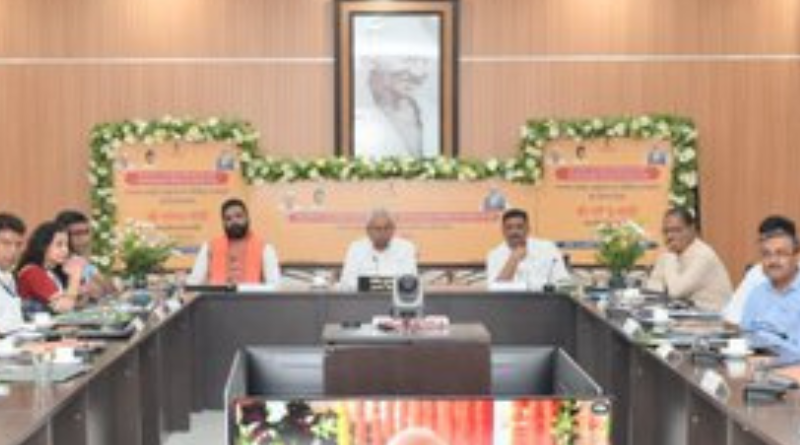
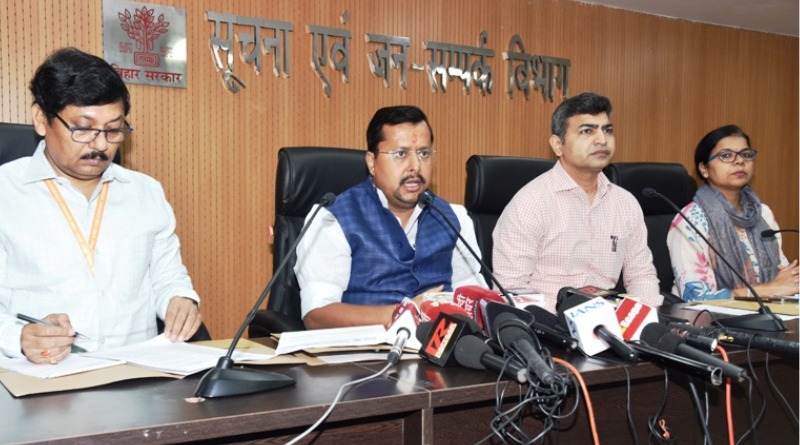
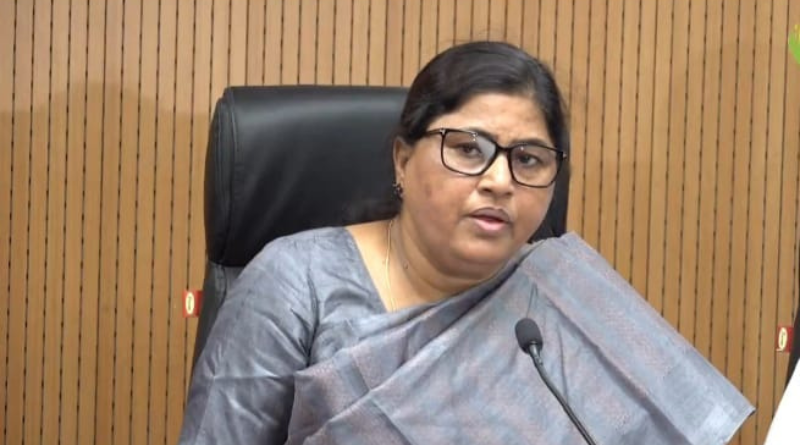
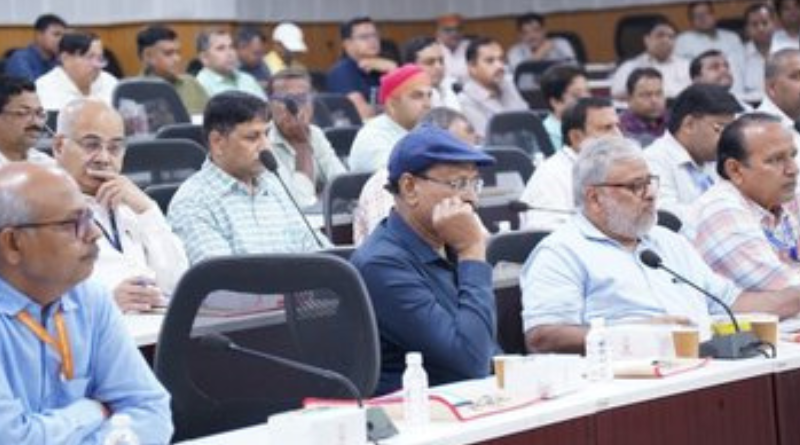
The initiative was discussed at a high-level meeting held at Krishi Bhawan, Patna, under the chairmanship of Narmadeshwar Lal, the Principal Secretary of the Agriculture Department.
The meeting centred on implementing a Public-Private Partnership (PPP) model for horticulture planting material production.
The aim is to establish a robust, transparent, and sustainable ecosystem for producing high-quality seeds and saplings within the state.
Currently, over 80% of Bihar’s horticultural planting material is sourced from other states, resulting in higher transportation costs and increased prices for farmers.
The new initiative seeks to reverse this dependency.
Hub-and-spoke model for production in the horticulture sector:
A key proposal discussed was the adoption of a Hub-and Spoke model wherein government nurseries and agriculture farms will act as hubs, and private players and local units will function as spokes.
Bihar already has a strong foundation infrastructure, including 300-plus government nurseries and over 60 agricultural farms, which will be leveraged under this model.
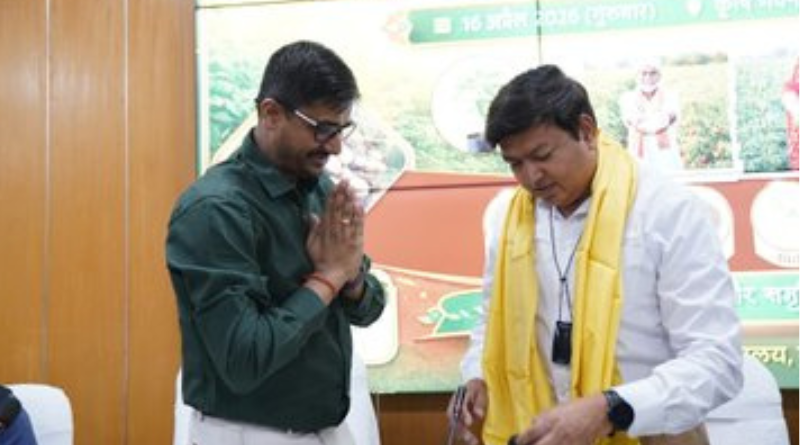
The proposed system aims to ensure the availability of high-quality seeds and planting materials, maintain price stability for farmers, improve traceability and quality control, introduce digital tracking systems for transparency, and promote local production and reduce dependence on external supply.
Expert participation and inputs:
The meeting witnessed participation from senior officials, scientists, and industry representatives, including experts from the Indian Institute of Vegetable Research and state agricultural universities, along with private seed companies and nursery operations.
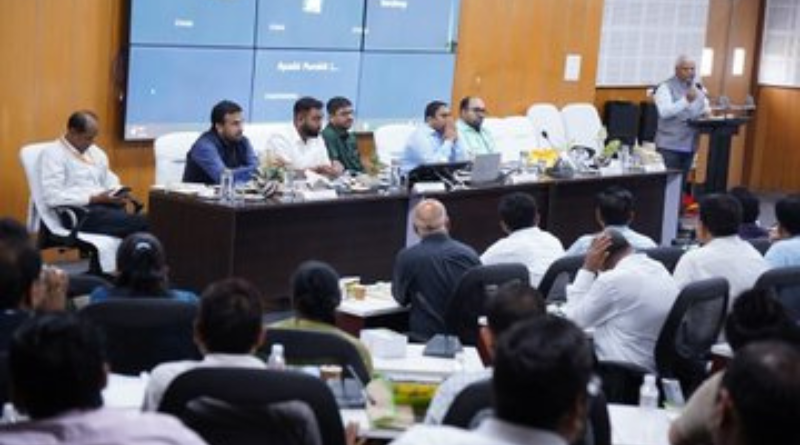
Special Secretary Birendra Prasad Yadav stated that a practical action plan will be prepared based on the suggestions received, with the goal of building a self-reliant system for fruits, vegetables, spices, and other horticulture crops.
Director of Horticulture Abhishek Kumar reiterated that the heavy dependence on external states is a major cost driver and emphasized the potential of local infrastructure to bridge this gap.
Additional focus areas of the Horticulture Department:
Discussion also highlighted upgradation of local nurseries, promotion of the seed village concept, strict adherence to quality standards, ensuring timely supply and farmer-centric safeguards.
Senior officials, including Director of Agriculture Saurabh Suman Yadav, Managing Director of Bihar Seed Corporation Sparsh Gupta, and BAMETI Director Santosh Kumar Uttam, were also present.
This initiative marks a strategic shift in Bihar’s agriculture policy, aiming to reduce costs for farmers and build a sustainable and self-reliant horticulture ecosystem in the state.
EOM.