
By Tanmay Sharma
Photo Credit: The Suncity News
New Delhi, May 22, 2026:
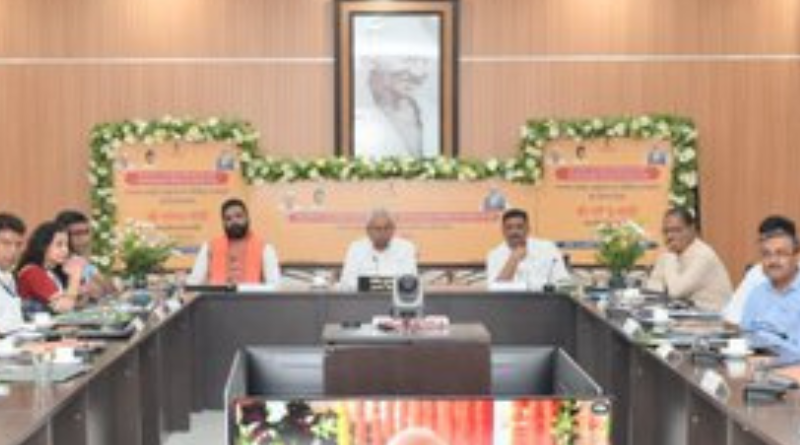
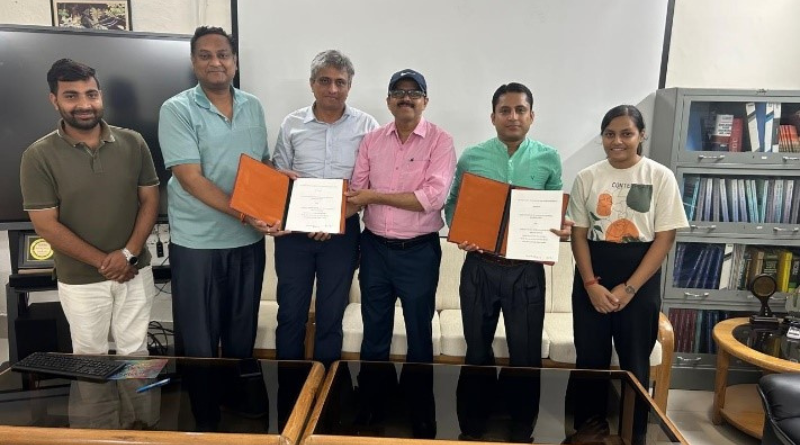
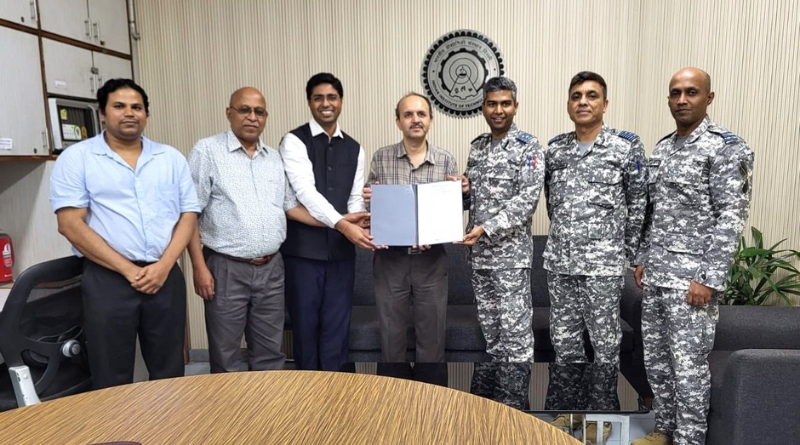
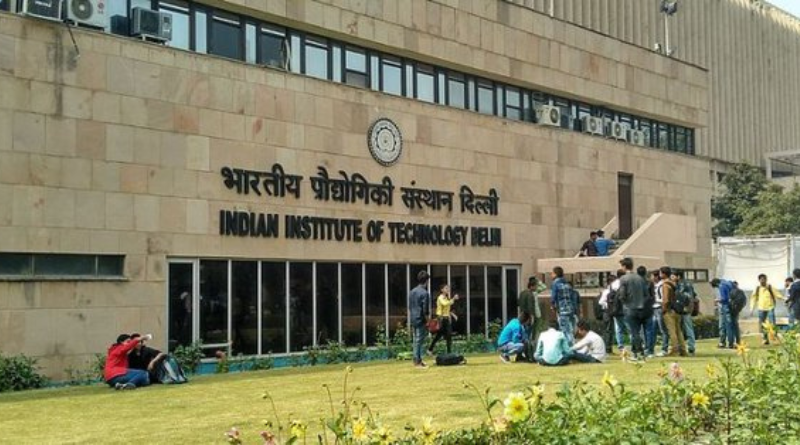
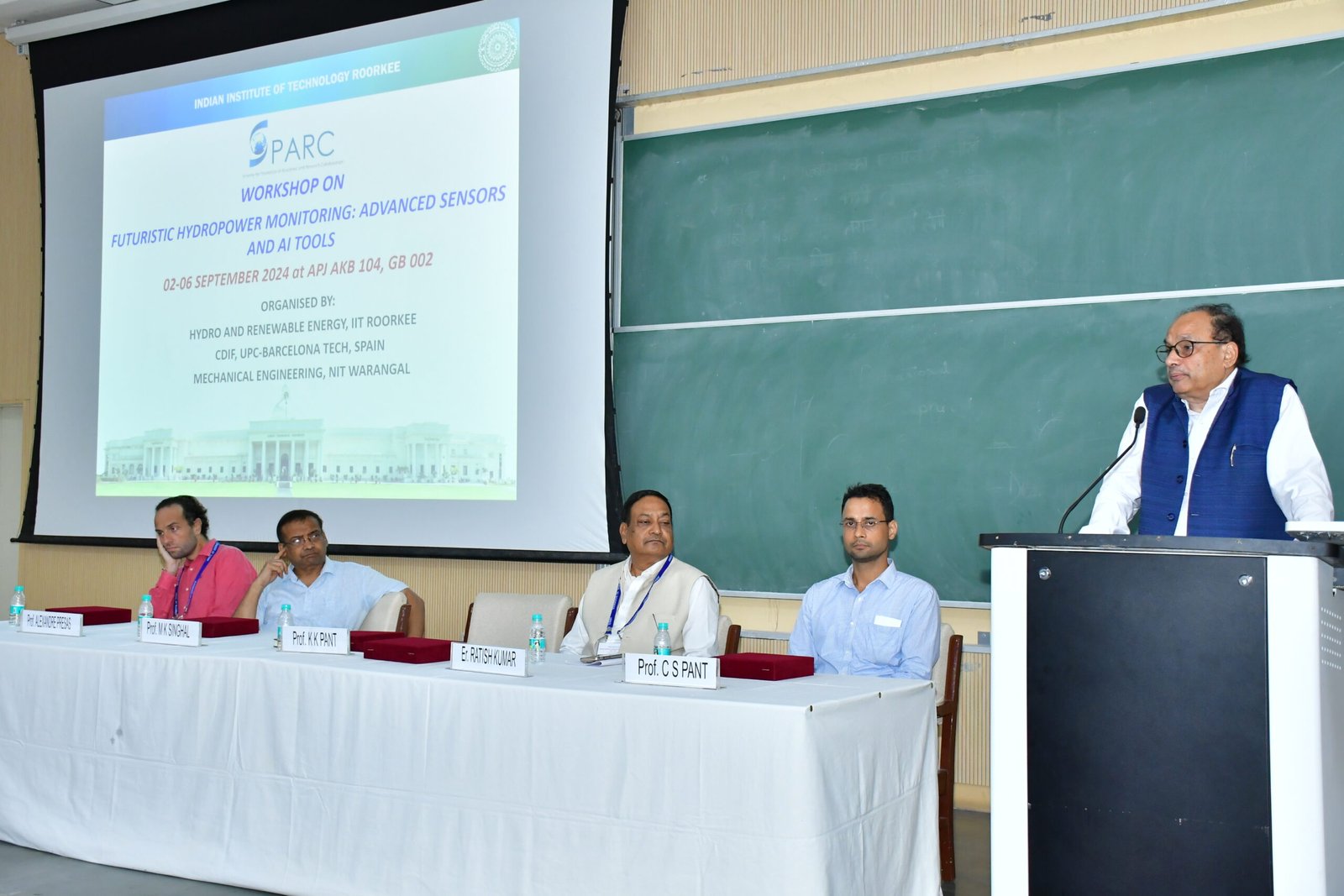
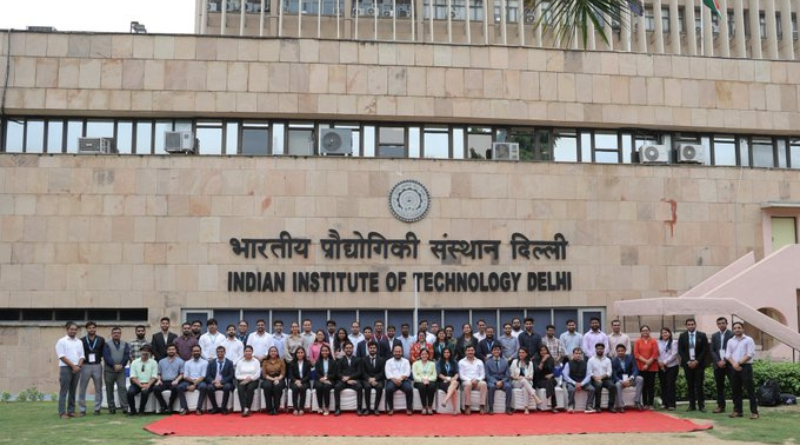
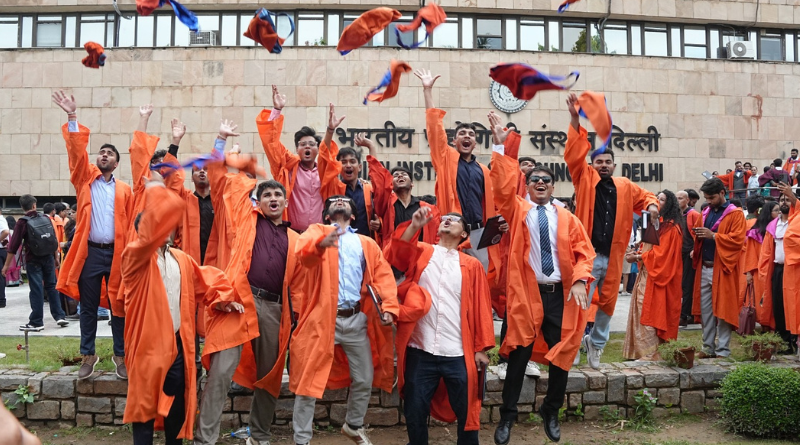
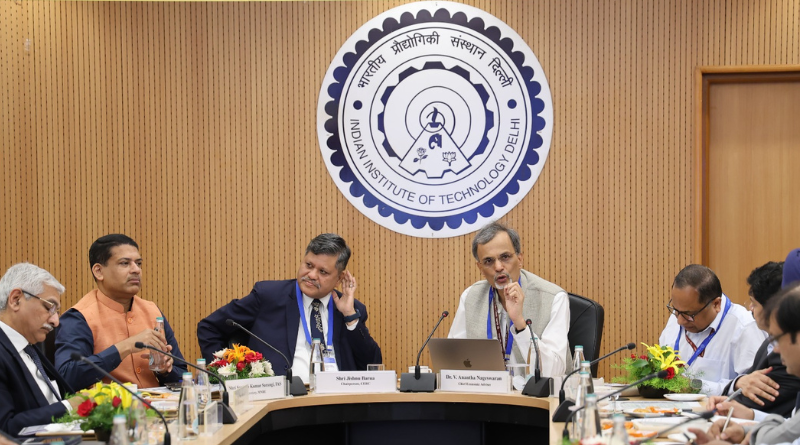
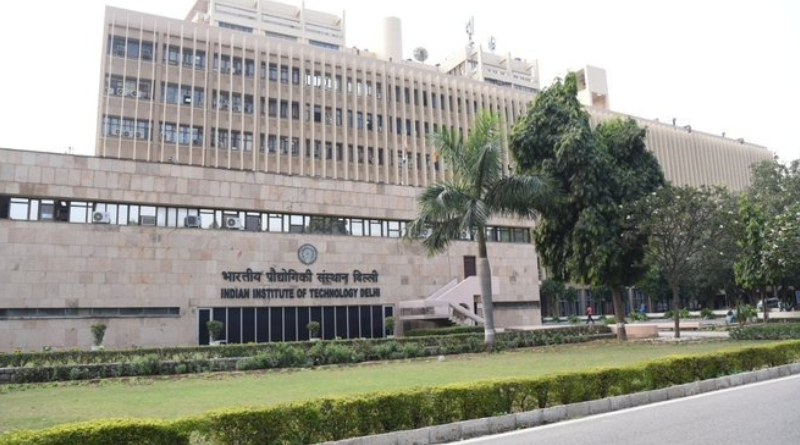
A one-day national symposium titled “Energy Security through System Operations and Regularity Perspectives” was held at IIT Delhi by the Centre of Excellence (CoE) for Regulatory Affairs in the Power Sector on Friday.
The CoE is a joint initiative of the Central Electricity Regulatory Commission, Grid Controller of India Limited, and IIT Delhi
The symposium brought together policymakers, regulators, energy experts, utility representatives and academicians to deliberate on strategies for strengthening India’s energy security amid growing global uncertainties.
IIT Delhi hosted an important discussion amid global energy volatility:
The discussions took place against the backdrop of rising volatility in global energy markets, including supply disruptions linked to geopolitical tensions in the Gulf region.
Participants highlighted that India imports more than 85 percent of its crude oil requirements, making energy security a major strategic concern.
Delivering the keynote address, V. Anantha Nageswaran, Chief Economic Advisor, Government of India, spoke on the theme “Energy Security, Transition, and the Cost of Wishful Thinking.”
He warned against replacing one form of geopolitical dependence with another, emphasizing that concentrated supply chains for clean energy technologies and critical minerals could create vulnerabilities similar to fossil fuel dependence.
He stressed that India’s energy transition should be fiscally prudent, carefully sequenced, and supported by domestic manufacturing as well as partnerships with trusted nations for critical minerals and technologies.
Jishnu Barua, the Chairperson of CERE at IIT Delhi, stated that India is operating in increasingly uncertain global conditions. He noted that nearly 45 percent of India’s crude oil imports pass through the strategically sensitive Strait of Hormuz, underlining the country’s exposure to geopolitical risk.
Barua said India’s long-term strength lies in diversifying suppliers, building strategic reserves, reducing oil dependency in transport, and strengthening supply chains for critical minerals.
He urged regulators to create flexible and forward-looking regulatory frameworks capable of balancing energy security, sustainability, and affordability.
Meanwhile, Santosh Kumar Sarangi, secretary of MNRE, during the discussions at IIT Delhi, highlighted that while India has achieved a renewable energy capacity of 537 GW, the next major challenge is efficient grid integration rather than simply expanding capacity.
He pointed out that variable renewable energy currently contributes only around 15 percent of India’s total generation, compared with nearly 50 percent in Germany and 35 percent in Australia.
According to him, India must adopt advanced market-based mechanisms and a modern grid strategy similar to those of other countries.
Sarangi also advocated several regulatory reforms, including shorter Power Purchase Agreements (PPAs) of 12-15 years instead of the traditional 25-year model, stronger real-time electricity markets, and the adoption of instruments such as Contracts for Difference.
He welcomed the CERC’s proposal to reduce gate closure time in power markets.
He further informed participants that the Ministry of New and Renewable Energy is coordinating with the Ministry of Finance to secure budgetary support for transmission network upgrades and emphasized that energy storage systems should be treated as core infrastructure assets.
Energy security, sustainability, and affordability:
The national symposium at IIT Delhi also featured panel discussions involving representatives from the Central Electricity Authority, Uttar Pradesh Electricity Regulatory Commission, NTPC Limited, energy policy experts, and former diplomats.
Key discussions focused on geopolitical instability in West Asia, disruptions in gas supplies, and their impact on India’s power generation and financial stability.
Experts stressed the importance of balancing energy security with sustainability and affordability.
The panel discussions also emphasized the role of pumped storage hydro projects alongside imported battery energy storage systems (BESS), faster electrification of transport and cooking, implementation of Time-of-Day tariffs, and greater use of nuclear energy to reduce import dependence.
Participants further discussed strategies such as increasing ethanol blending, promoting coal gasification, expanding domestic coal production, and scaling up nuclear power generation to reduce reliance on imported fuels.
Also Read: IIT Delhi launches industry membership program to boost industry-academia collaboration.
EOM.