
By Tanmay Sharma
Photo Credit: The Suncity News
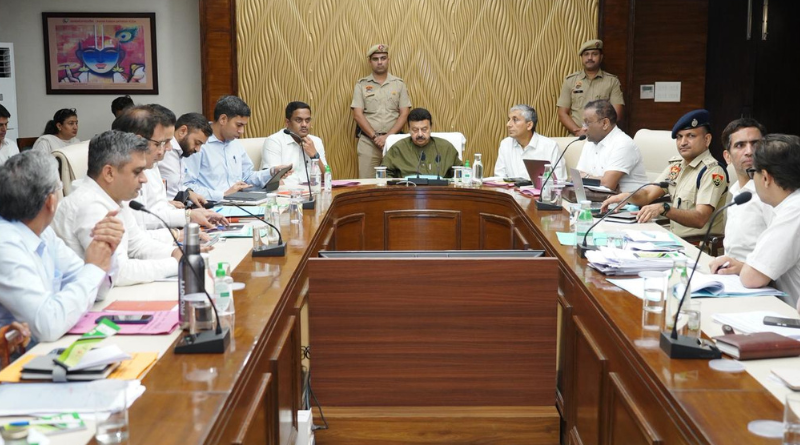
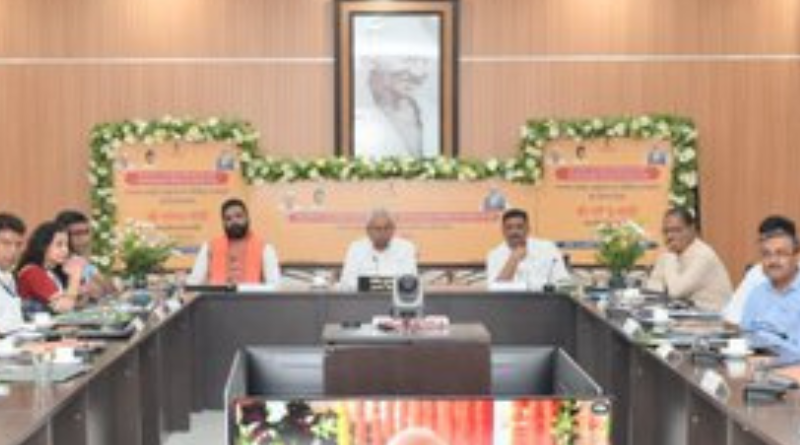
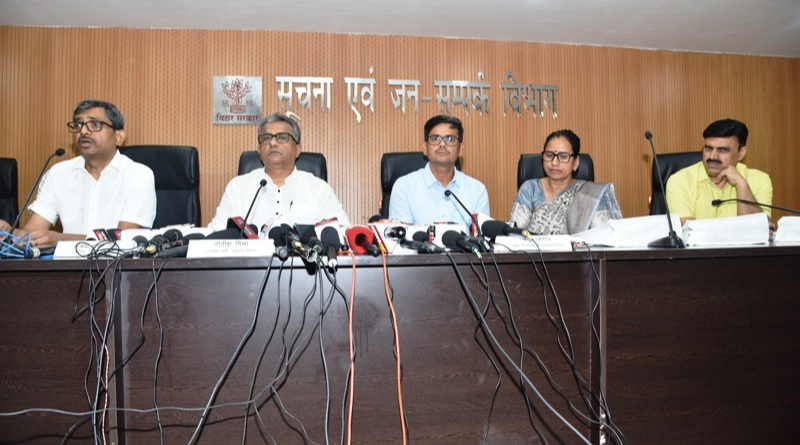
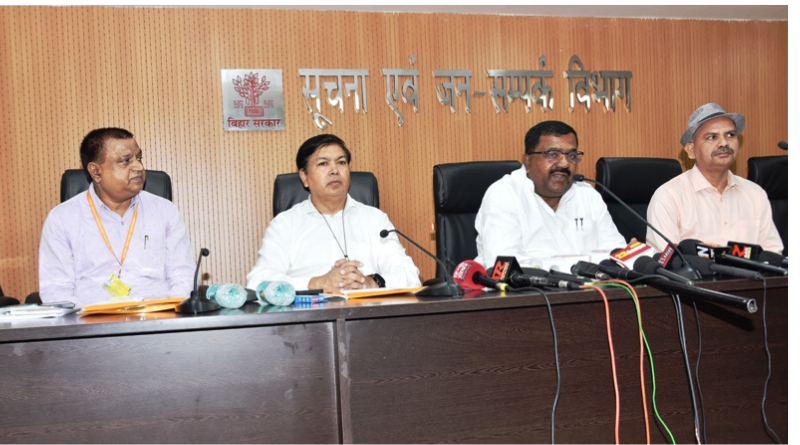
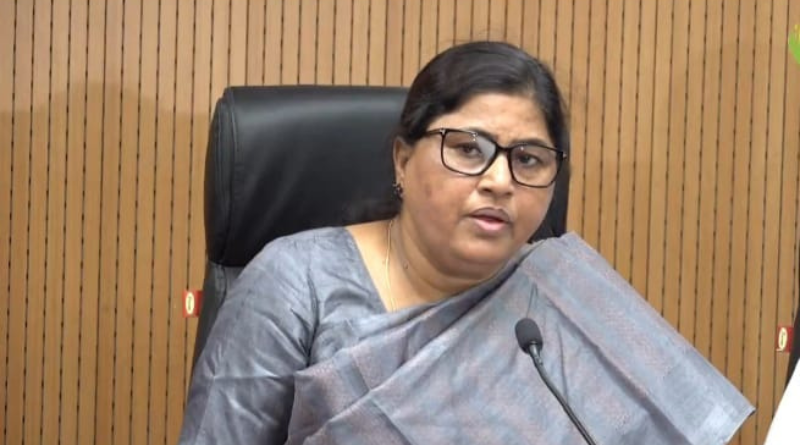
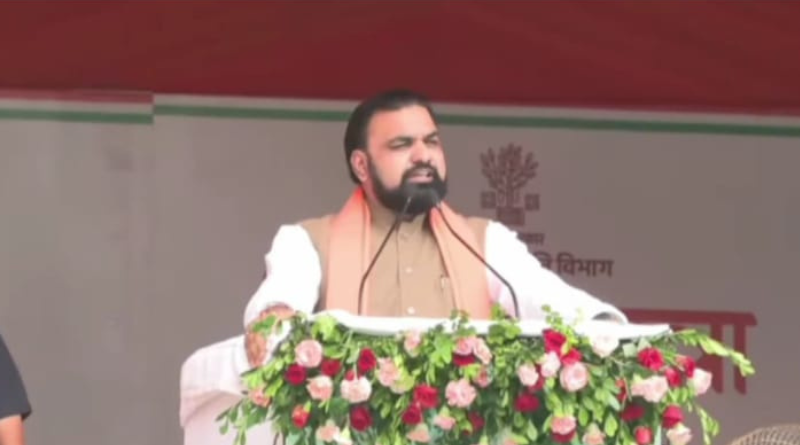
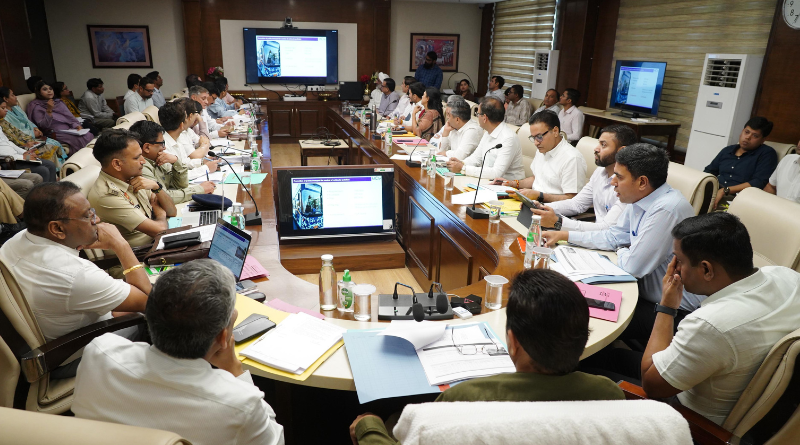
Gurugram, May 1, 2026: Haryana Environment, Forest, and Wildlife Minister Rao Narbir Singh on Friday chaired a high-level review meeting in Gurugram to assess measures related to air and water pollution control, waste management, and environmental compliance.
The meeting focused on key issues, including solid waste and C&D waste management, enforcement of the ban on single-use plastic CETP/ETP operations, green area development, and implementation of environmental norms.
Senior officials, including Sudhir Rajpal and officers from the Haryana State Pollution Control Board, were present.
Rao Narbir Singh directed officials on zero tolerance for construction dust and violations:
The Minister directed officials to strictly enforce pollution norms, particularly targeting construction-related dust. He instructed that all construction sites above 500 square yards must be registered on the Dust Portal, failing which immediate challans should be issued. Even registered sites violating norms will face strict penalties.
Officials informed that nearly 400 construction sites in Gurugram will be brought under compliance within 15 days, with proper barricading mandated to control dust pollution and improve the city’s environmental standards.
Yogesh Kumar highlighted several steps taken to improve air quality across Haryana.
These include 29 Continuous Ambient Air Quality Monitoring Stations already operational, 23 additional stations being set up in NCR, and 46 manual monitoring stations and 4 testing laboratories are functional.
To tackle dust pollution, 22 Dust Control and Management Cells have been established.
Continuous Emission Monitoring Systems (CEMS) have been installed in 521 industries, while 875 more have been directed to adopt the system.
Additionally, 3,866 construction sites have been registered on the Dust Portal for real-time monitoring.
For road dust control, mechanized sweeping is being expanded with 56 machines currently operational and 91 more planned.
The use of 60 anti-semi guns and 160 water sprinklers is also being intensified.
Under the City Action Plan, 1,203 km of roads in the NCR region have been identified for dust-free development, with 119 km already redeveloped in the first quarter of 2025.
Focus on Yamuna pollution and wastewater management:
The meeting also reviewed wastewater discharge into the Yamuna River.
Officials reported that approximately 682 MLD of wastewater flows into the river from Haryana-origin drains, though 128.6 MLD of this comes from Delhi.
The net discharge from Haryana stands at about 553.4 MLD.
Additionally, around 83 MLD of untreated wastewater from Delhi’s Alipuir drain directly enters the Yamuna in the Faridabad region, significantly contributing to pollution.
Rao Narbir Singh directed officials to identify all points of untreated discharge and take strict legal action against violators.
Major push for sewage treatment infrastructure:
To strengthen wastewater treatment, six new STPs with a combined capacity of 133 MLD are under construction, targeted for completion by March 2027. Key projects include Bajghera (2 MLD)—85% complete, Radaur Road, Yamunanagar (77 MLD)—30% complete, Matlauda, Panipat (3 MLD)—95% complete, Dadlana (3 MLD)—55% complete, and Badshahpur, Faridabad (45 MLD)—15% complete.
In addition, seven existing STPs with a total capacity of 288.5 MLD are being upgraded, including major facilities in Gurugram (Dhanwapur and Behrampur).
Further, 11 new STPs with a combined capacity of 425 MLD are proposed at an estimated cost of Rs 1,000 crore.
The state has set a target to reduce Biological Oxygen Demand (BOD) levels in drains to below 10 mg/L by December 31, 2027.
Legacy waste and environmental compliance under review:
Rao Narbir Singh reviewed progress at the Bandhwari landfill site and directed expedited scientific disposal of legacy waste.
He also instructed strict action against violating RMC plants and ensured compliance with environmental standards in slaughterhouses.
Emphasizing accountability, Rao Narbir Singh called for strengthening real-time monitoring systems at ETPs, CETPs, and STPs to ensure effective implementation of pollution control measures.
Focus on Implementation:
Reviewing Gurugram’s Annual City Action Plan, Rao Narbir Singh stressed the timely execution of all measures, reiterating the government’s commitment to ensuring a cleaner and healthier environment for citizens.
Also Read: Rao Narbir Singh directed officials to make preparations for waterlogging ahead of the monsoon.
EOM.