
Photo Credit: The Suncity News
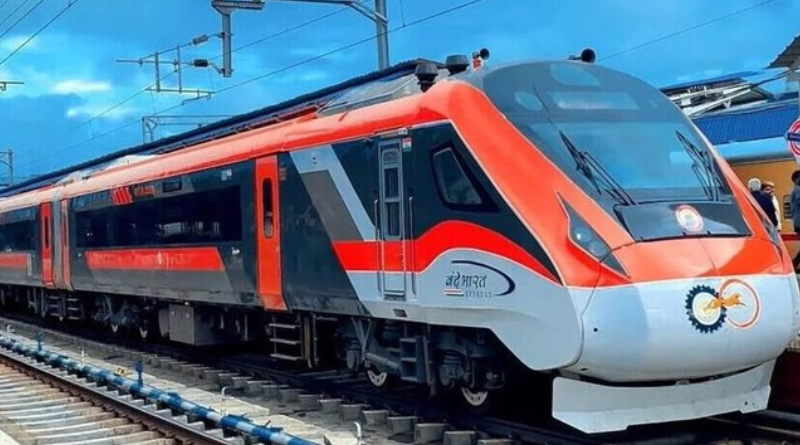
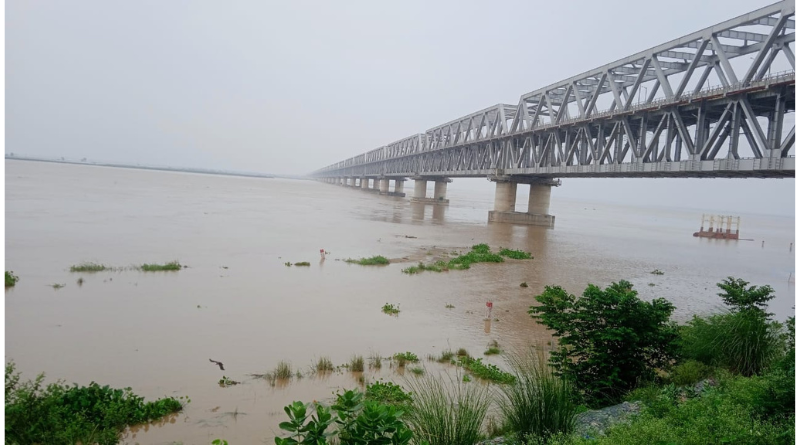
New Delhi, February 24, 2026: The Cabinet Committee on Economic Affairs (CCEA), chaired by Narendra Modi, has approved three major railway infrastructure projects of the Ministry of Railways at a total cost of Rs 9,072 crore (approx).
Cabinet-approved projects:
The sanctioned projects of the cabinet include Gondia—Jabalpur Doubling, Punarakh—Kiul 3rd & 4th Line, Gamharia—Chandil 3rd & 4th Line.
These three multi-tracking projects span 8 districts across Maharashtra, Madhya Pradesh, Bihar, and Jharkhand, and will expand the Indian railways network by approximately 307 kilometres.
The enhanced rail infrastructure will improve connectivity to around 5,407 villages, benefiting a population of nearly 98 lakh people.
Boost to capacity, mobility, and employment:
The increased line capacity is expected to improve operational efficiency and service reliability, reducing congestion on busy routes, strengthening passenger and freight mobility.
Aligned with the Prime Minister’s vision of a “New India” and Atmanirbhar Bharat, these projects will promote comprehensive regional development, generating employment and self-employment opportunities.
All three projects are planned under the PM Gati Shakti National Master Plan, focusing on multi-model connectivity, Logistics efficiency, and Integrated planning with stakeholder coordination.
This will ensure the seamless movement of people, goods, and services.
The projects will significantly enhance rail connectivity to key tourist and pilgrimage destinations, including Kachnar Shiv temple, Kanha National Park, Pench National Park, Dhuandhar Waterfall, Bargi Dam, Chandil Dam, Dalma Wildlife Sanctuary, Dalma Hill Top, Raijama Ghati, and Hesakocha Waterfall.
Freight, environment, and climate benefits:
These routes are vital for transporting commodities such as coal, steel, iron, ore, cement, foodgrains, fertilizers, fly ash, limestone, manganese, POL, and other bulk goods.
The capacity augmentation is expected to generate additional freight traffic of 52 Million Tonnes Per Annum (MTPA).
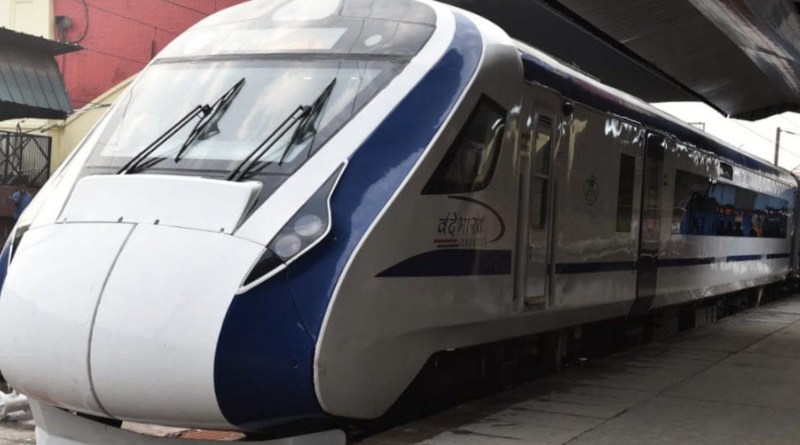
As an energy-efficient and environment-friendly mode of transport, the projects will reduce oil imports by about 6 crore litres, cut CO2 emissions by nearly 30 crore kilograms, equivalent to planting one crore trees, help India achieve its climate and sustainability goals, and lower overall logistics costs for the economy.
Also Read: Union Cabinet approves 11.56-km Noida Metro Extension from Sector 142 to Botanical Garden.
EOM.