
Photo Credit: Social Media
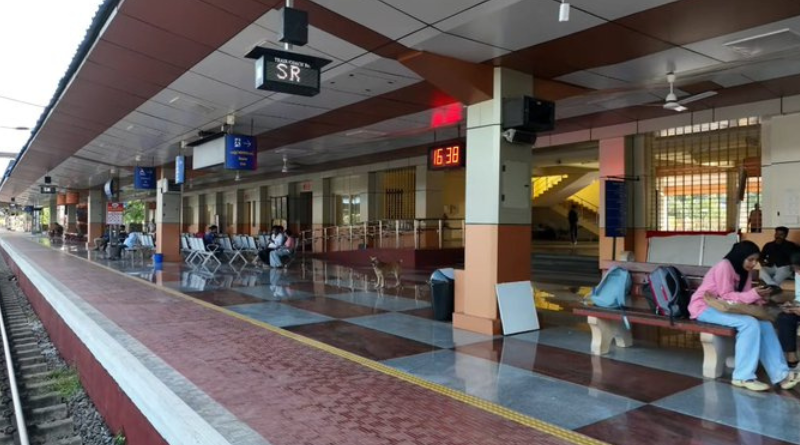
New Delhi, February 5, 2026: The Ministry of Railways has launched the Amrit Bharat Station Scheme for the long-term redevelopment of railway stations across the country.
The scheme focuses on preparing comprehensive master plans for stations and implementing redevelopment works in a phased manner, based on passenger needs and future growth.
The Amrit Bharat Station scheme is based on an environmentally friendly solution:
The Amrit Bharat station scheme emphasizes sustainable and environmentally friendly solutions, detailed feasibility studies, and the long-term vision of developing railway stations as city centres.
Under the scheme, 1,337 stations have been identified for redevelopment, and work has so far been completed at 172 stations.
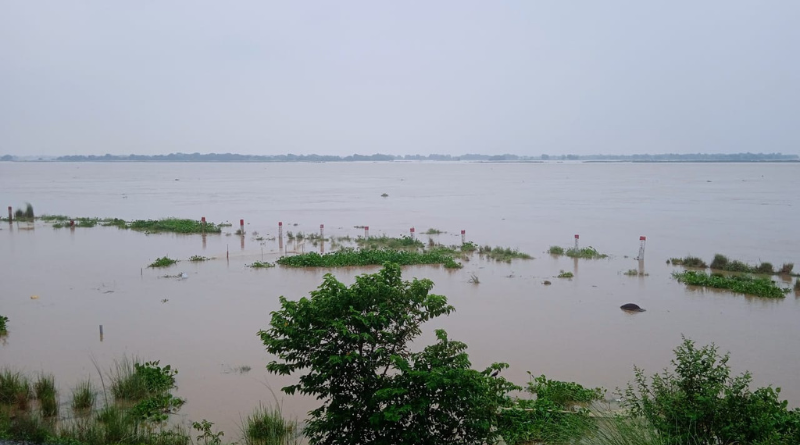
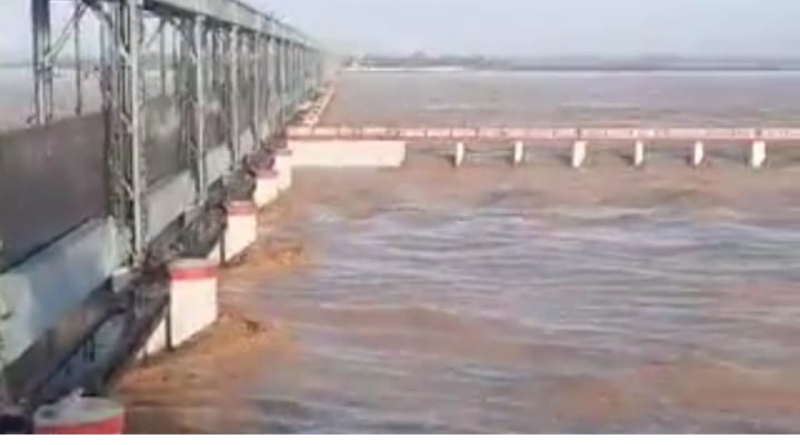
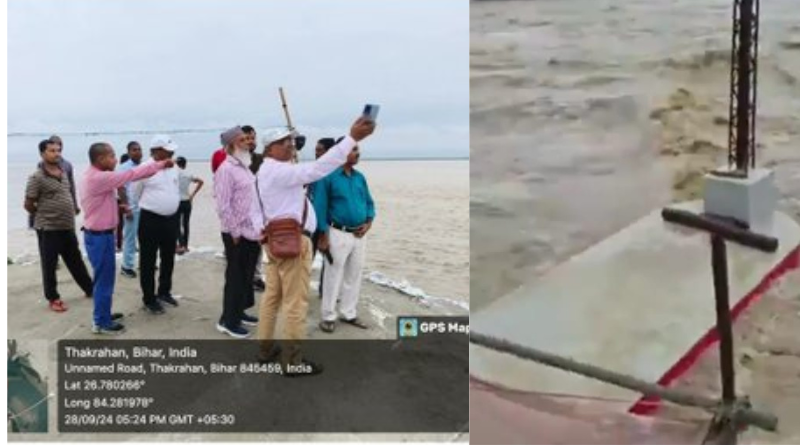
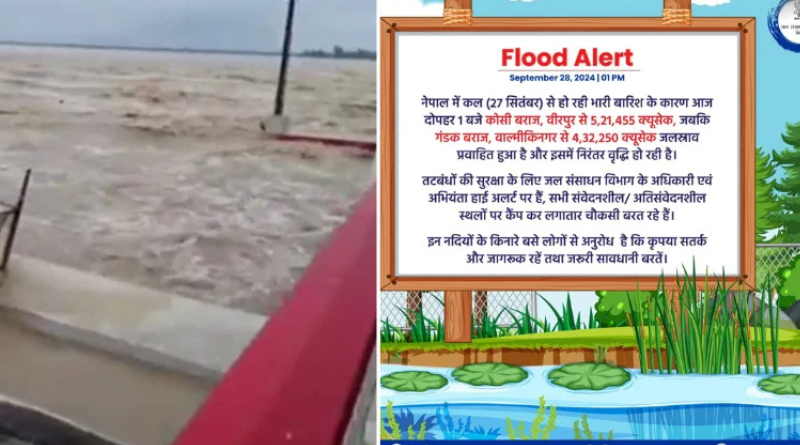
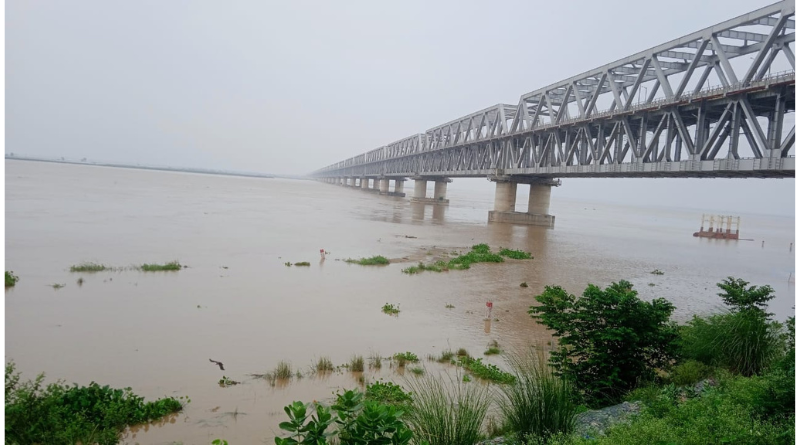
Indian Railways accords the highest priority to the safety of railway bridges and has established a robust inspection and monitoring system across the network.
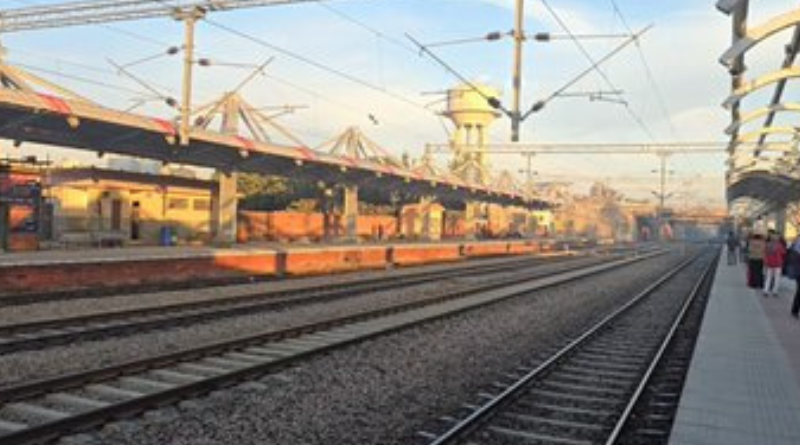
All railway bridges are inspected twice every year—once before the monsoon and a detailed inspection after the monsoon. Certain bridges are inspected more frequently, depending on their condition, as assessed by the Chief Bridge Engineer (CBE).
Comprehensive technical inspections of important and major bridges are conducted in a manner that ensures 20% of such bridges are inspected annually.
Bridge repair and rehabilitation:
Repair, strengthening, rehabilitation, and reconstruction of bridges are continuous and ongoing processes, carried out based on inspection findings.
Between 2022 and December 2025, a total of 8,626 railway bridges across Indian Railways have been repaired, rehabilitated, strengthened, or reconstructed.
In addition, special technical audits are conducted periodically, and follow-up actions are taken wherever required in the Amrit Bharat station.
Steps to prevent waterlogging in subways and RUBs of Amrit Bharat Station:
Subways and Road Under Bridges (RUBs) are inspected before and after the monsoon. To mitigate waterlogging, Indian Railways has taken several measures, including: the Incorporation of improved drainage systems in new designs, the Diversion of water to natural drains, the Construction of humps and cross-drains, the Sealing of joints, Installation of high-capacity pumps at vulnerable locations.
Under the Amrit Bharat station project, the Indian Railway Bridge Manual (IRBM) lays down the methodology for bridge reconstruction works. Compliance with the Quality Assurance Plan (QAP) and Inspection and Testing Plan (ITP) is ensured through strict contract management and adherence to general and special contract conditions.
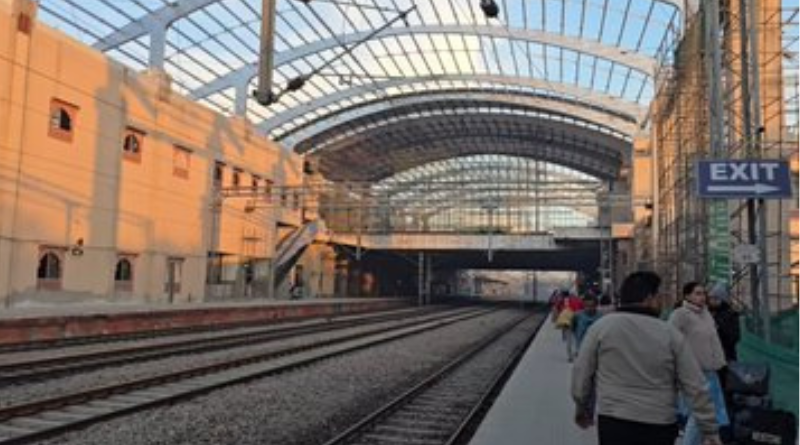
To ensure accountability of executing agencies, punitive provisions such as: Withholding of security deposits until the completion of the defect liability period and Termination of contracts in case of non-compliance have been incorporated.
The completion timeline of bridge projects depends on several factors, including location, type of bridge, approval of plans, availability of access roads, climatic conditions affecting working seasons, availability of traffic blocks, and speed restrictions.
Coach manufacturing units and investments:
At present, three coach manufacturing units are operational in the country under the Ministry of Railways.
The cost of developing these units depends on factors such as location, type of coaches, production capacity, and the machinery and plant installed.
Expenditure is incurred over a long period in multiple phases, including establishment, upgradation, and expansion.
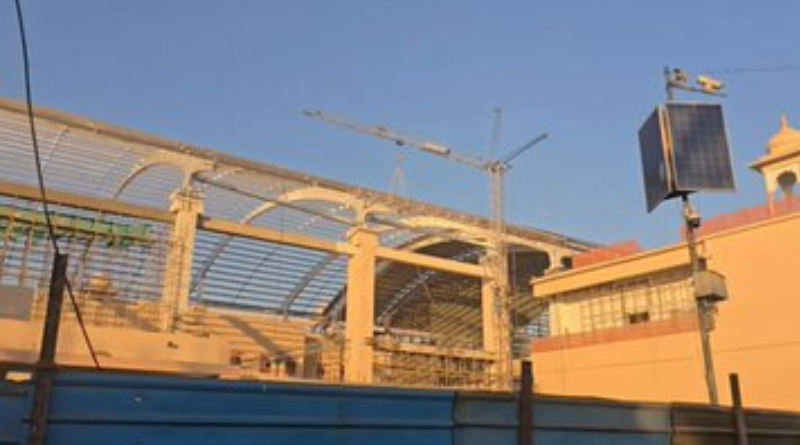
The Modern Coach Factory (MCF), Raebareli, the latest operational unit, has been established at a cost of Rs 3,042.83 crore.
Additionally, Rs 2,443 crore has been sanctioned for various projects related to the upgradation and expansion of the three operational units: Integral Coach Factory (ICF), Chennai, Rail Coach Factory (RCF), Kapurthala, and Modern Coach Factory (MCF), Raebareli.
Phased introduction of LHB Coaches:
Indian Railways has initiated the replacement of ICF coaches with safer and technologically advanced LHB coaches. These modern coaches offer several advantages, including: Improved ride quality, Better aesthetics and lightweight design, Anti-climbing features for enhanced safety, Air suspension (secondary) with a failure indication system, Stainless steel body, and Disc brake system.
EOM.