
By Kavita Sharma
Photo Credit: The Suncity News
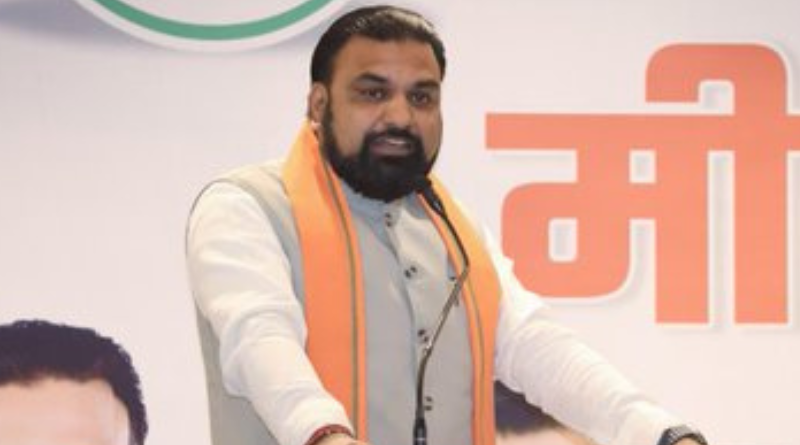
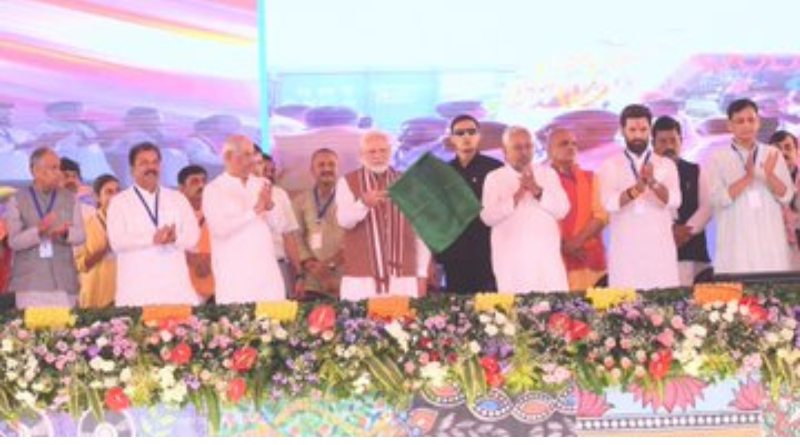
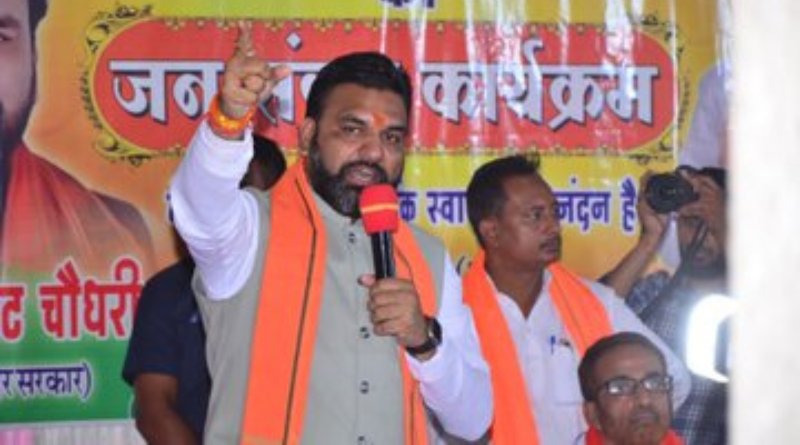
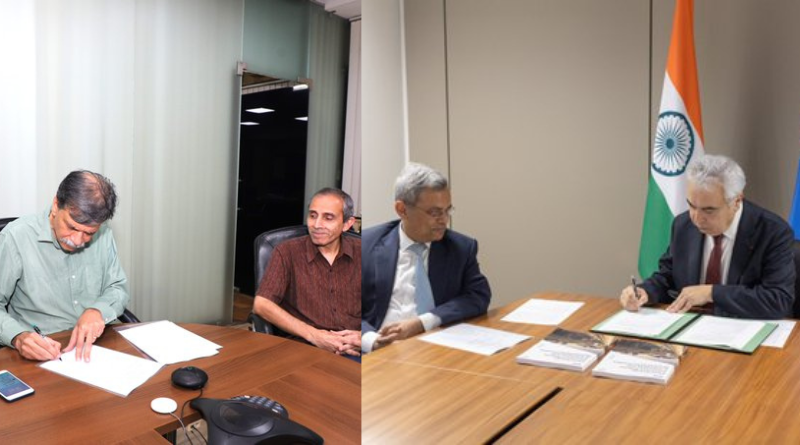
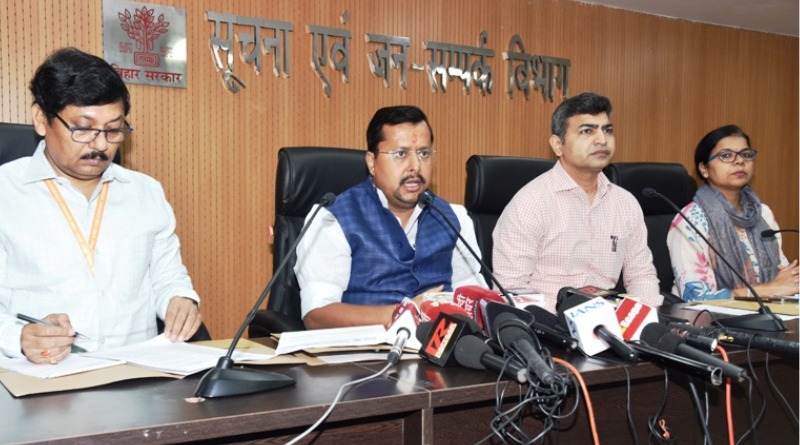
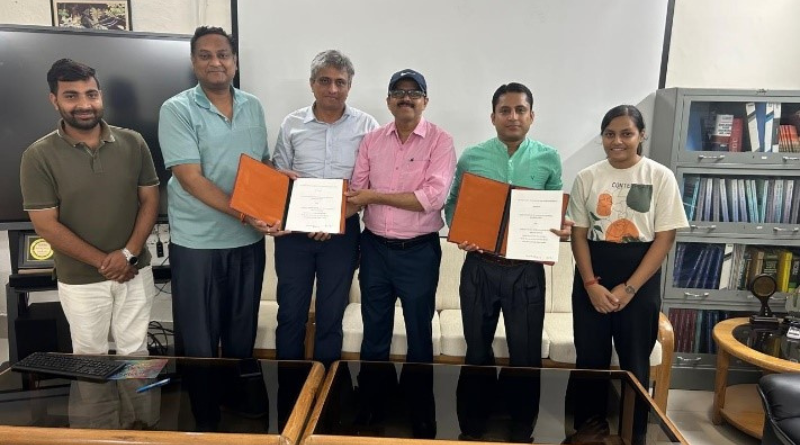
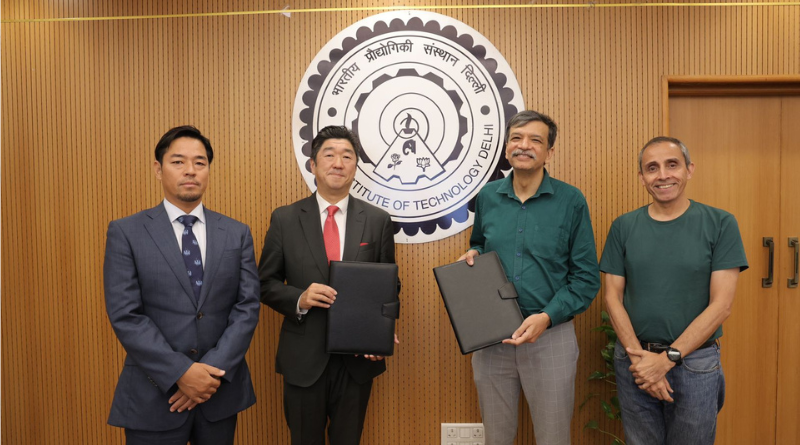
Patna, July 17, 2026: In a significant step towards strengthening the care economy and improving the welfare of women and children through Anganwadi centres, the Samrat Choudhary government on July 17, 2026, signed two major Memoranda of Understanding (MoUs) with Vedanta Limited and Zerodha Broking Limited.
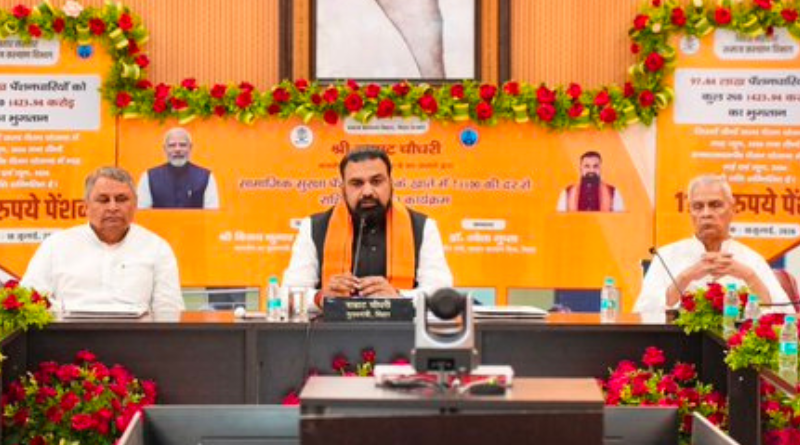
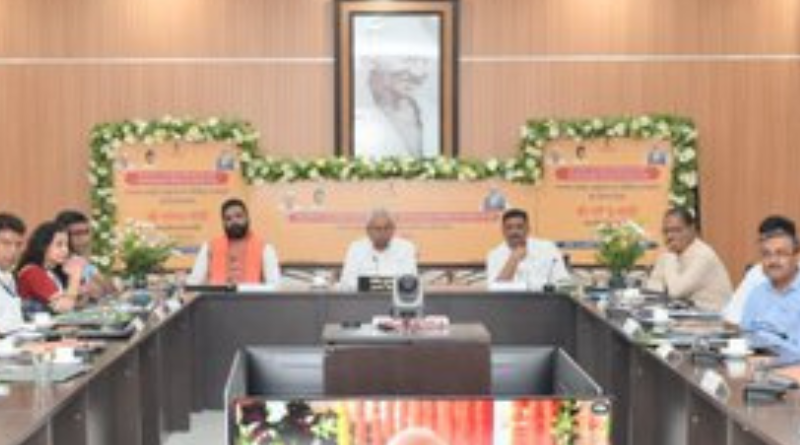
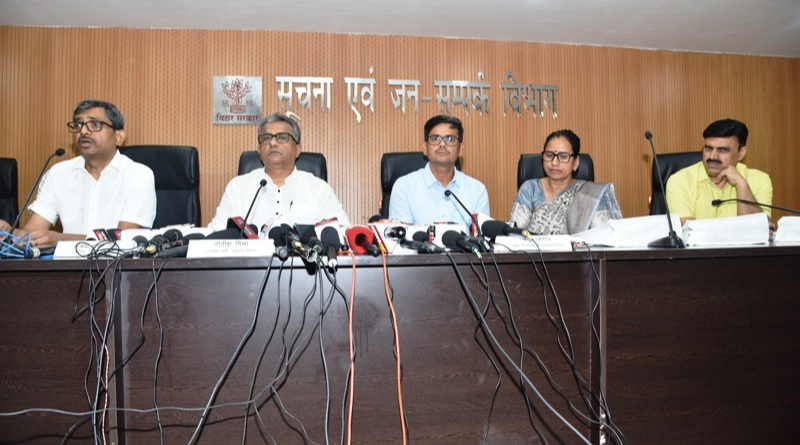
The agreements were signed by the Integrated Child Development Services (ICDS) Directorate during a state-level consultative workshop organized by the Department of Social Welfare and the Women and Child Development Corporation.
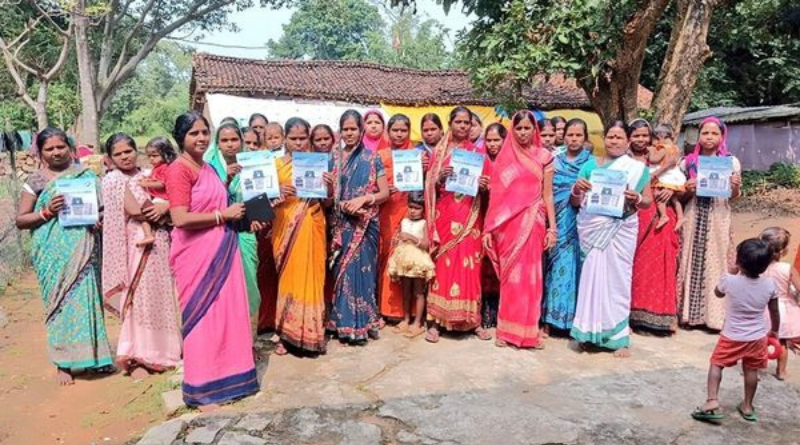
The initiative aims to modernize 1,050 Anganwadi centres across Bihar through private sector participation, enhancing nutrition, early childhood education, maternal care and community-based services.
Under the agreements, Vedanta Limited will modernize 1,000 anganwadi centres across Bihar under its flagship ‘Nand Ghar’ initiative.
Zerodha Broking Limited will upgrade 50 Anganwadi centres in Darbhanga district.
The revamped centres will feature improved infrastructure, modern learning spaces, better nutrition facilities and enhanced services for children, pregnant women and lactating mothers.
Samrat Choudhary’s government is focusing on building Bihar’s care economy:
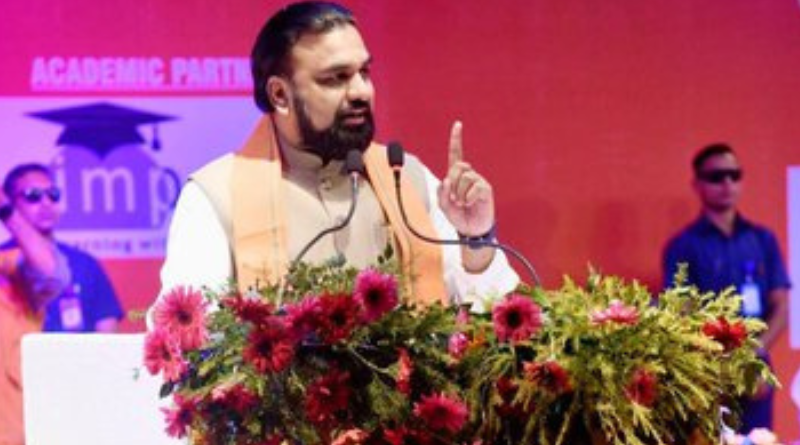
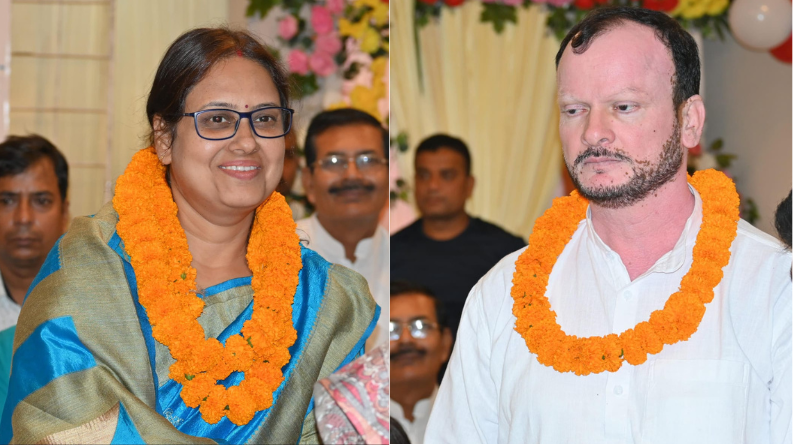
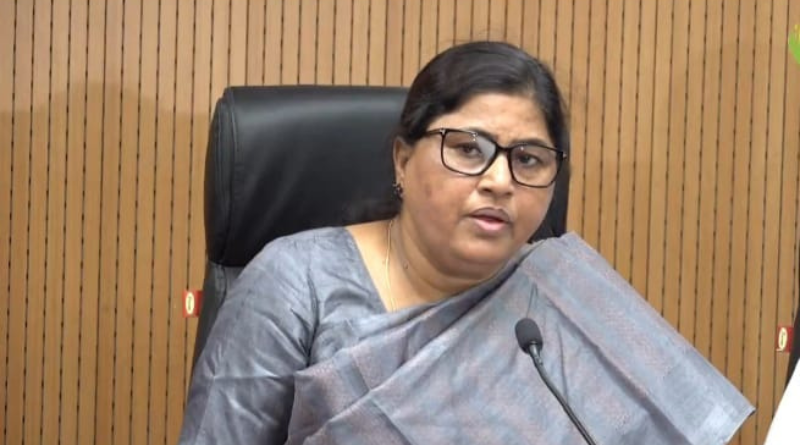
Addressing the workshop, Social Welfare Minister Dr. Shweta Gupta described the initiative as an important milestone in strengthening Bihar’s care economy.
She said the collaboration would not only improve infrastructure at Anganwadi centres but also transform the delivery of early childhood care, nutrition and maternal welfare services.
The minister observed that the demand for professional care services—including child care and elderly care—is expected to rise rapidly in the coming years. She recognizes and institutionalizes care work through a comprehensive policy framework, creating dignified employment opportunities in the sector.
Dr. Shweta Gupta also urged society to change its perception of caregiving, stating that looking after children and elderly family members should not remain the sole responsibility of women.
She emphasized that men should participate equally in caregiving responsibilities and highlighted the Bihar government’s long-standing commitment to women’s empowerment.
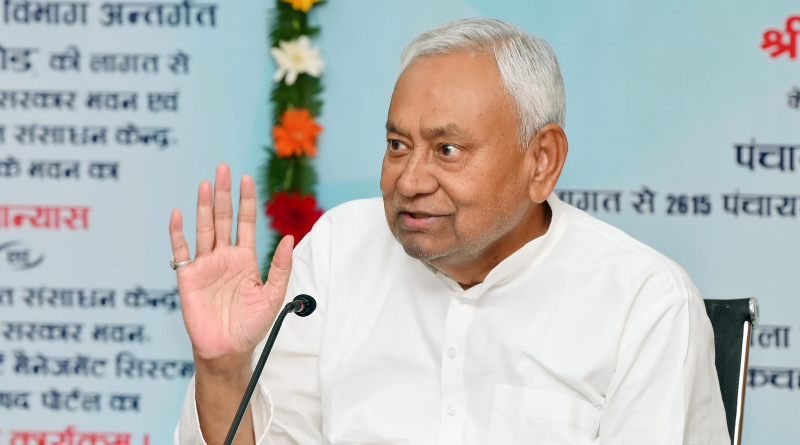
Referring to former Chief Minister Nitish Kumar’s landmark decision to provide 50 percent reservation for women in Panchayati Raj Institutions, she said empowering women ultimately strengthens families, communities and society as a whole.
She also appealed to the private sector to actively contribute towards providing institutional recognition and dignity to care work.
Speaking as the chief guest, Harjot Kaur Bamhrah, Chairperson-cum-Member of the Revenue Board, stressed the importance of empowering girls within the care economy.
She advocated greater participation of men in caregiving and suggested that the government should seriously consider introducing Child Care Leave for male employees, enabling fathers to play a more active role in raising children.
Experts discuss the future of care services:
The workshop featured technical sessions involving experts from leading national and international institutions, who shared recommendations for strengthening Bihar’s care ecosystem.
Experts from the Ministry of Health and Family Welfare, Government of India, and Delhi University highlighted the need to develop skilled human resources for the care sector, establish quality standards for caregiving services, promote community-based eldercare, and strengthen professional training for care workers.
Representatives from Indira Gandhi Institute of Medical Sciences (IGIMS), Patna, and Lokopriya Gopinath Bordoloi Regional Institute of Mental Health (LGBRIMH),
Assam presented recommendations on child care services, disability support, and professional certification and recognition for caregivers.
Meanwhile, representatives from UN Women and UNFPA India highlighted global best practices and explained how demographic changes are rapidly increasing the demand for quality care services.
Experts from Azure HR Services, UNICEF, Deloitte, and HelpAge India discussed strategies to transform caregiving into a large-scale, dignified employment sector while helping the Samrat Choudhary government to formulate a comprehensive policy roadmap for the care economy.
Also Read: The Nitish Kumar government’s cabinet approved 26 proposals, including Anganwadi honorarium.
EOM.