
By Tanmay Sharma
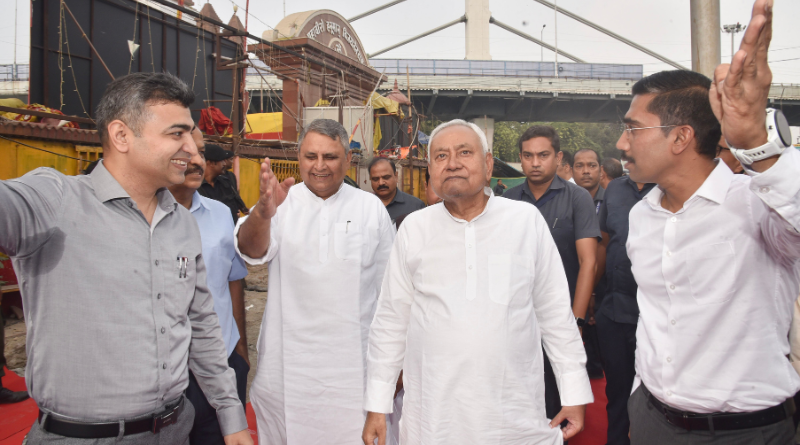
Photo Credit: The Suncity News
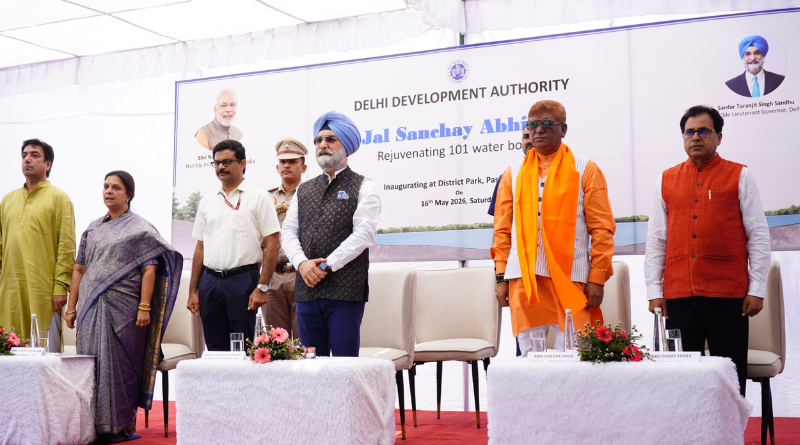
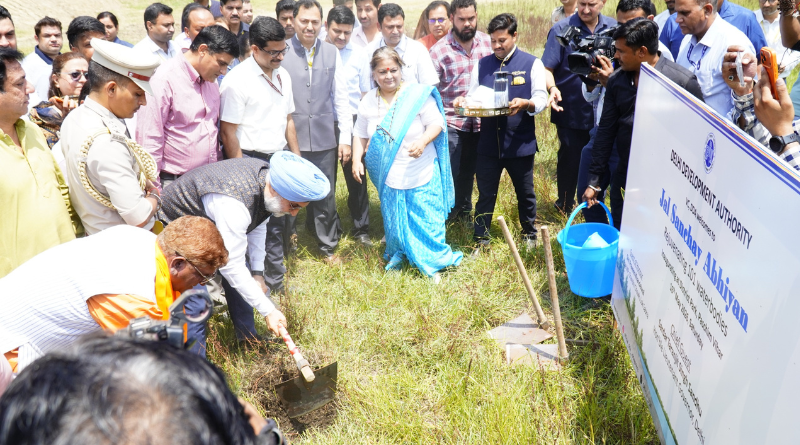
New Delhi, May 16, 2026: In a major push toward environmental sustainability and water security, Delhi Development Authority (DDA) has launched the Jal Sanchay Abhiyaan (Water Conservation Campaign) to restore and conserve Delhi’s traditional water bodies.
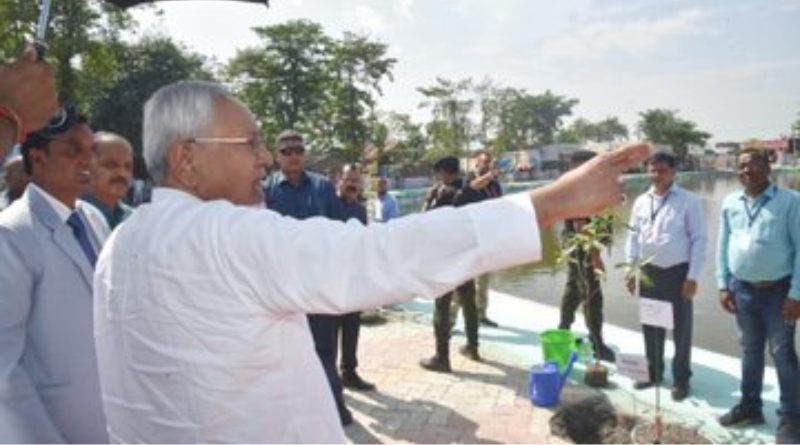
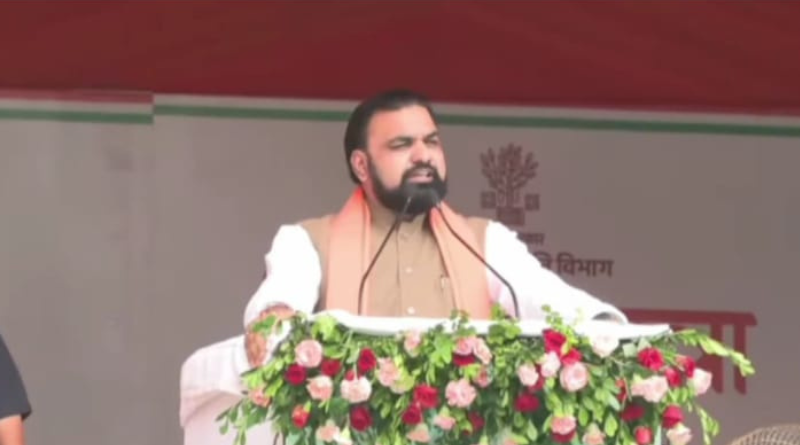
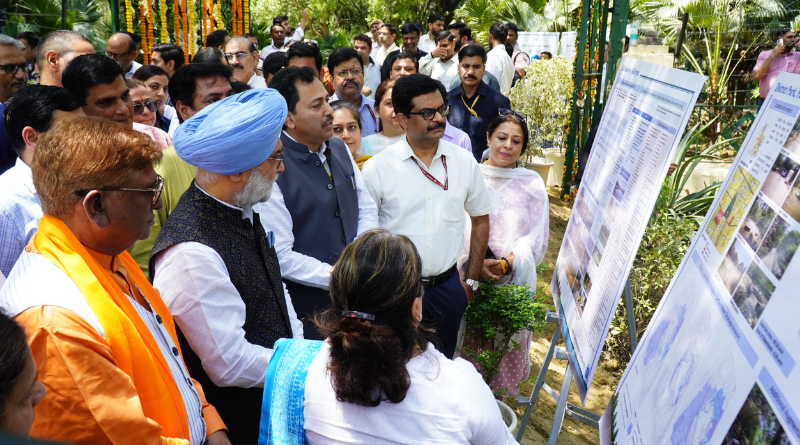
The initiative was inaugurated by Lieutenant Governor Taranjit Singh Sandhu at District Park Pachim Vihar, in the presence of local MLA Karnail Singh and DDA Vice Chairman N Saravana Kumar.
The campaign aligns with the broader vision of Prime Minister Narendra Modi, focusing on sustainable urban development and long-term water conservation.
DDA identified 101 water bodies in the first phase:
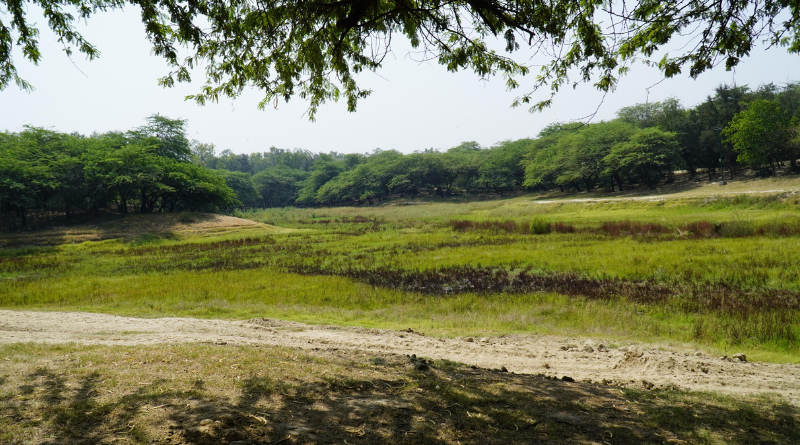
Under phase-1, a total of 101 water bodies spread across approximately 155 hectares (383 acres) have been identified for immediate rejuvenation.
These include 22 water bodies in the Dwarka zone, 13 in the South zone, 17 in the Rohini zone and 6 in the Narela zone.
The number was increased by 24 following a recent review by the LG.
One of the key sites under restoration is a 1.46-hectare water body in District Park paschim Vihar, where the campaign was formally launched.
The target for completing phase-1 is August 30, 2026.
Focus on ecological restoration:
Addressing the gathering, the Lieutenant Governor emphasized that the initiative is not merely about beautification but a focused effort to restore ecological balance, recharge groundwater, and strengthen Delhi’s water security.
Historically, Delhi was known for its extensive network of baolis (Stepwells), lakes, and natural water sources, which played a crucial role in flood control and groundwater recharge.
However, rapid urbanization, encroachments and pollution have severely degraded many of these assets.
DDA has a large plan to rejuvenate 424 water bodies:
Out of 822 water bodies managed by DDA, 424 have been identified for restoration and conservation.
The current campaign marks the beginning of large-scale action with 101 water bodies taken up on priority.
Phase-1 will focus on immediate interventions such as degrading and desilting, excavation, clearing natural catchment channels, and improving rainwater harvesting capacity before the monsoon season.
The phase-2, targeted for completion by May 2027, will emphasize long-term sustainability through fencing and embankment strengthening, installation of sewage treatment plants, and plantation drives around water bodies.
The DDA reiterated its commitment to protecting Delhi’s ecological assets through sustainable urban initiatives.
The Jal Sanchay Abhiyaan is expected to play a key role in creating a cleaner, greener, and environmentally resilient capital city while addressing long-standing water challenges.
Also Read: DDA launches single window clearance system to streamline building approvals.
EOM.