
Photo Credit: The Suncity News
New Delhi, March 11, 2026: Union Railway Minister Ashwini Vaishnaw, in a written reply in the Lok Sabha on Wednesday, said that railway ticket fares are not treated as a trade secret and information related to passenger fares is widely available in the public domain.
Ashwini Vaishnaw informed the house about a Rs 60,239 crore subsidy on passenger tickets:
According to the Union Railway Minister Ashwini Vaishnaw, Indian Railways provided a subsidy of Rs 60,239 crore on passenger tickets during 2024-25, which translates to an average concession of about 43% for every passenger.
This means that if the cost of providing a service is Rs 100, passengers on average pay only Rs 57, with the remaining amount being subsidized by the Railways.
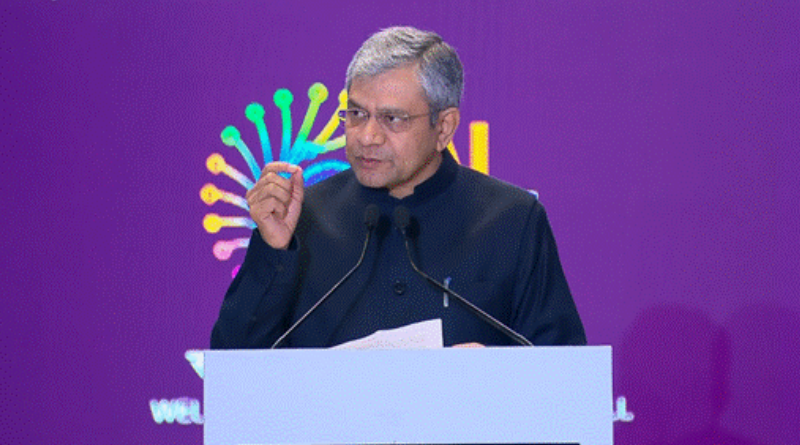
To ensure transparency, detailed fare components such as base fare, reservation charges, superfast charges, and GST are clearly displayed on passenger tickets.
Fare information is also available through computerized ticketing systems like Passenger Reservation System (PRS) and Unreserved Ticketing System (UTS), and Mobile applications such as RailOne.
Any changes in fare rationalization or revisions are also publicly announced.
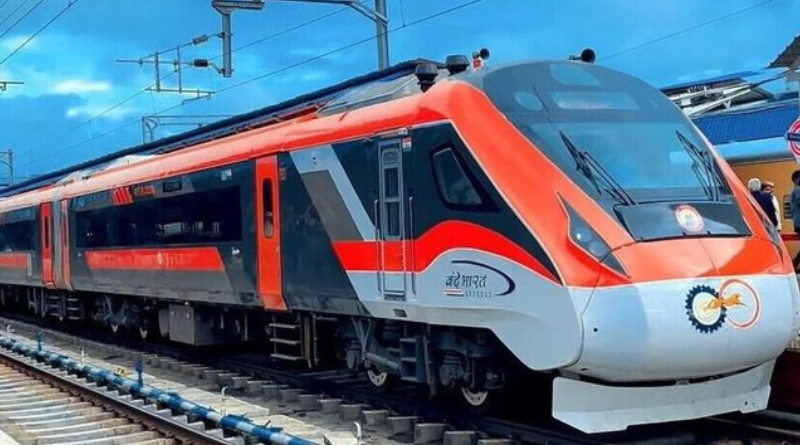
Launch of first Vande Bharat sleeper service:
The first Howrah—Kamakhya Vande Bharat Sleeper Express (27575/27576) began operations on 22 January 2026.
The introduction of new train services, including Vande Bharat Express sleeper trains, depends on factors such as line capacity, availability of train paths, rolling stock availability, infrastructure and maintenance requirements, passenger demand and occupancy.
Modern features in Vande Bharat sleeper trains:
The Vande Bharat Sleeper trains are equipped with advanced technology and passenger amenities, including Jerk-free semi-permanent couplers, Kavach Train protection System, higher acceleration and improved safety features, enhanced fire safety standards, CCTV surveillance in all coaches, Emergency talk-back units and centralized coach monitoring systems.
The fare structure of Vande Bharat Sleeper trains is calculated on a per passenger-per-kilometer (PKM) basis.
Rs 2.40 per km for 3AC (excluding GST), and an indicative fare for a 1000 km journey: Rs 2400 (excluding GST).
Unlike conventional trains, Vande Bharat Sleeper trains do not have RAC tickets, and waiting-list passengers receive confirmation only when confirmed passengers cancel their tickets.
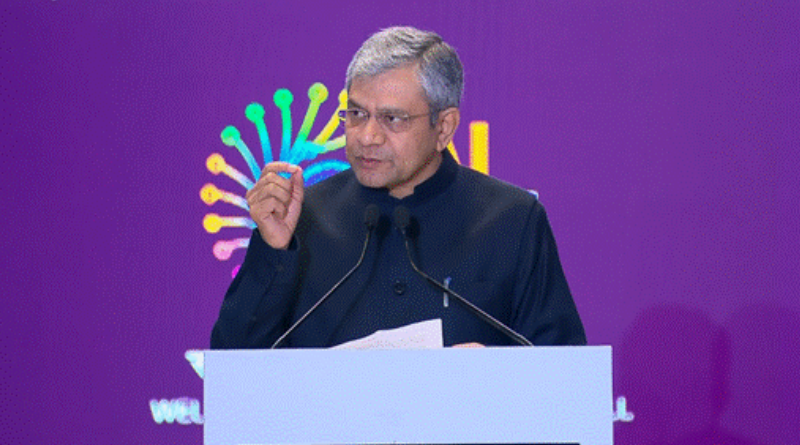
Ashwini Vaishnaw stated that Indian Railways fares remain among the lowest in the world.
For example, Vande Bharat Sleeper fares range from Rs 2.40 to Rs 3.80 per PKM, which is significantly lower than similar high-speed rail services in countries such as China, Japan, and France, where fares range between Rs 7 and Rs 20 per PKM.
The government reiterated that the Railways continue to balance affordability, service quality, and financial sustainability while catering to passengers from all sections of society.
Also Read: Ashwini Vaishnaw announces RailTech Policy, full digitization of the Railway Claims Tribunal.
EOM.