
Photo Credit: PIB
New Delhi, January 12, 2026: Experts from Institutions under the Ministry of AYUSH, including the National Medicinal Plants Board, have strongly advocated the adoption of AI, digital tools, and blockchain technology to monitor, verify, and document the quality of medicinal plants from the farm gate through the entire supply chain.
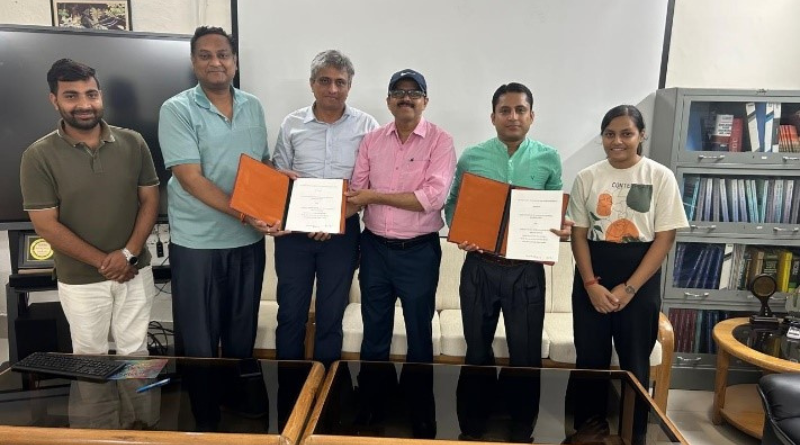
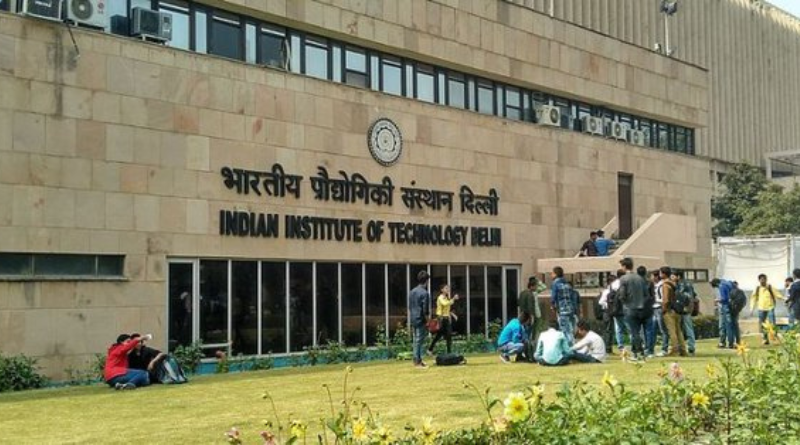
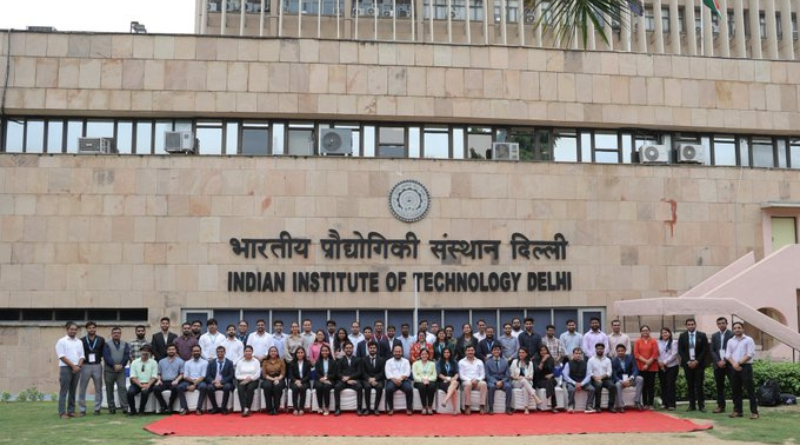
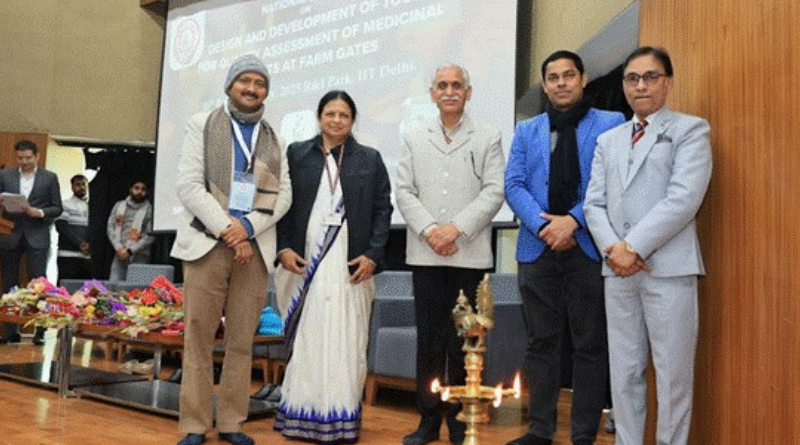
The call was made during a two-day national symposium on “Design and Development of Tools for Quality Assessment of Medicinal Plants at the Farm Gate,” held at the Indian Institute of Technology (IIT) Delhi on January 8-9, 2026.
The symposium brought national focus to strengthening quality assurance, traceability, and standardization in India’s medicinal plant sector.
The symposium was organized to bring together policymakers, scientists, technologists, industry leaders, and researchers to deliberate on strengthening farm-level quality systems as the foundation for the sustainable growth and global competitiveness of India’s AYUSH and medicinal plant ecosystem.
The event was inaugurated with keynote addresses by Prof. Dr. Mahesh Kumar Dadhich, CEO, NMPB, and Prof. Dr. Tanuja Nesari, Director, Institute of Teaching and Research in Ayurveda (ITRA).
They outlined the national policy and scientific vision for quality-driven development, stressing the need to integrate innovation, regulation, and traditional knowledge to build global confidence in Indian medicinal plant raw materials.
Ministry of AYUSH promotes AI-driven quality assessment and digital traceability:
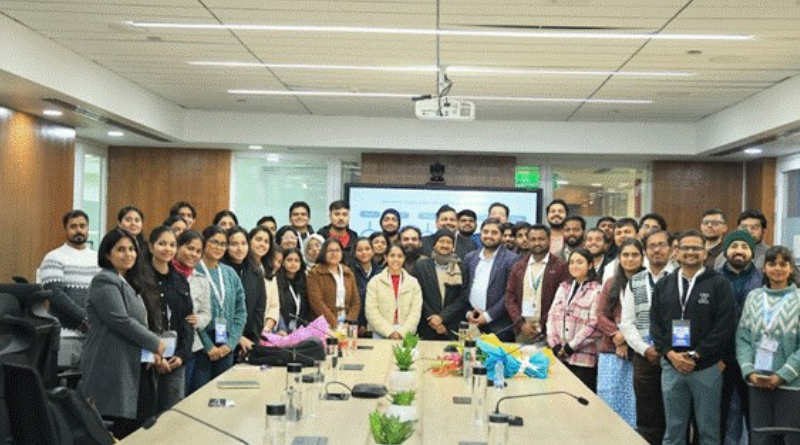
Technical sessions on the first day examined the entire medicinal plant value chain—from sustainable cultivation and regenerative agriculture to Artificial Intelligence-based quality assessment, digital phenotyping, and supply chain integration.
Experts from ICAR-Directorate of Medicinal and Aromatic Plants Research (DMAPR), IIT Delhi, the World Health Organization (WHO), Ministry of AYUSH, Central Council for Research in Ayurvedic Science (CCRAS), and industry representatives, including Himalaya Wellness and Herbalscape Crop, shared field experiences and evidence-based insights.
The discussions underscored that India is technologically and institutionally prepared to deploy Artificial Intelligence-enabled diagnostics, portable quality-testing devices, and integrated digital frameworks to enhance the credibility of Indian medicinal plant raw materials in domestic and international markets.
Roadmap for Artificial Intelligence and Blockchain Integration:
The second day focused on roadmap development through two structured expert brainstorming sessions: Integration of Artificial Intelligence in the medicinal plant sector, Use of blockchain technology for transparency and end-to-end traceability.
A strong consensus emerged that digital tools at the farm gate—including Artificial Intelligence-enabled decision-support systems and blockchain-based traceability platforms—are no longer optional but essential for ensuring authenticity of Indian herbal raw materials.
Key outcomes and national priorities:
The symposium produced clear, actionable outcomes aligned with the objectives of the NMPB and the Ministry of AYUSH, fostering unprecedented national-level coordination among policy institutions, scientific bodies, industry stakeholders, and global health organizations.
Participants unanimously emphasized that quality must be built at the point of production, directly supporting the NMPB’s mandate of empowering primary producers and collectors.
The deliberations highlighted the role of Artificial Intelligence and digital tools in reducing adulteration, variability, and farmer losses, while reinforcing the importance of blockchain-based traceability for pharmacopoeial compliance and exports.
The symposium also showcased the integration of traditional knowledge systems such as Vriksha Ayurveda with modern scientific quality frameworks, demonstrating how India’s heritage can be validated and digitized for global acceptance.
A strong emphasis was placed on capacity building, pilot projects, and large-scale deployment of digital technologies at the farmer level under NMPB-supported initiatives.
The symposium laid a robust foundation for developing a national framework for Artificial Intelligence-enabled, traceable, and standardized medicinal plant supply chains.
These outcomes align closely with national priorities such as Atmanirbhar Bharat and Make in India, while reinforcing India’s leadership in the global AYUSH sector.
Also Read: IIT Delhi students secure 1275 offers by December 2025.
EOM.