
By Kavita Sharma
Photo Credit: The Suncity News
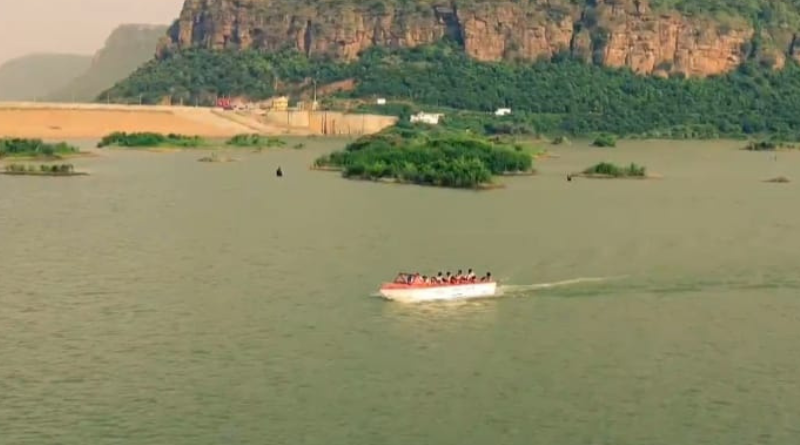
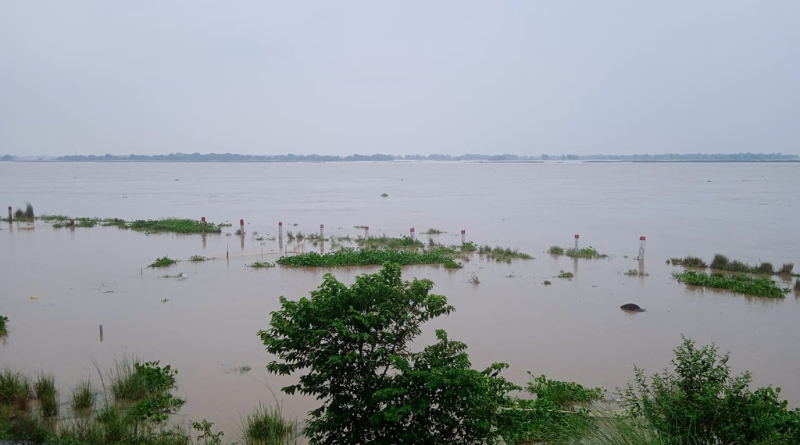
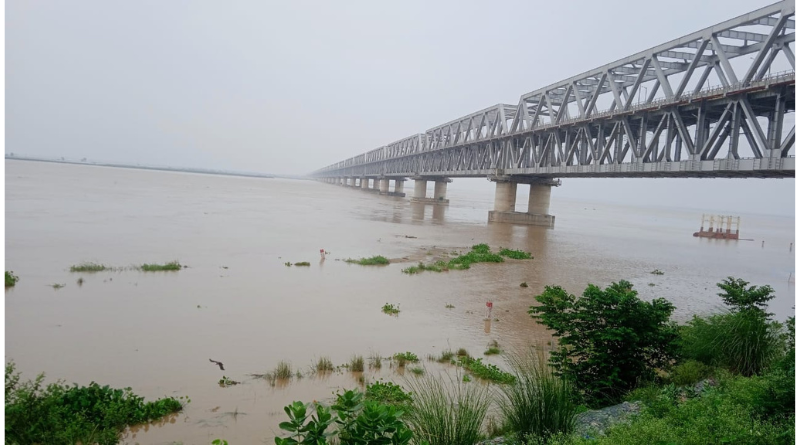
Patna, April 9, 2026: The Department of Water Resources, Government of Bihar, has announced an ambitious plan to develop eight major dams and reservoir sites across the state into tourist destinations, aiming to boost eco-tourism and regional development.
The identified Durgawati Reservoir, Valmikinagar Barrage, Gangaji Rajgir Reservoir, Kharagpur Lake, Kundghat, Garhi (Upper Kiul), Morwe, Odhani, and Phulwaria Dam.
Durgawati Reservoir (Karamchat Dam):
It is located in the districts of Rohtas and Kaimur. This major irrigation project on the Durgawati River was completed in 2014.
Initiated in 1976 by Jagjivan Ram and later inaugurated by Jitan Ram Manjhi, the dam irrigates by Jitan Ram Manjhi, the dam irrigates nearly 40,000 hectares across around 400 villages.
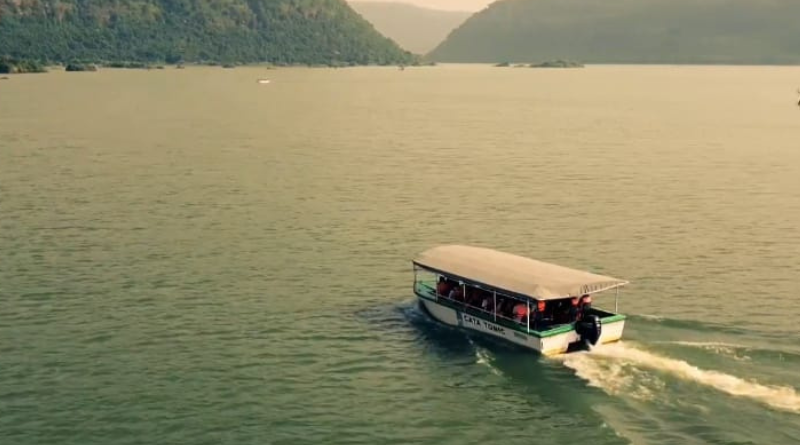
Situated near Karamchat village and surrounded by the Kaimur Wildlife Sanctuary, the 1,615-metre-long earthen dam has a reservoir capacity of 287.70 million cubic metres.
Recently, tenders have also been floated for a 10 MW floating solar project, further enhancing its utility.
Valmikinagar Barrage (Gandak Barrage):
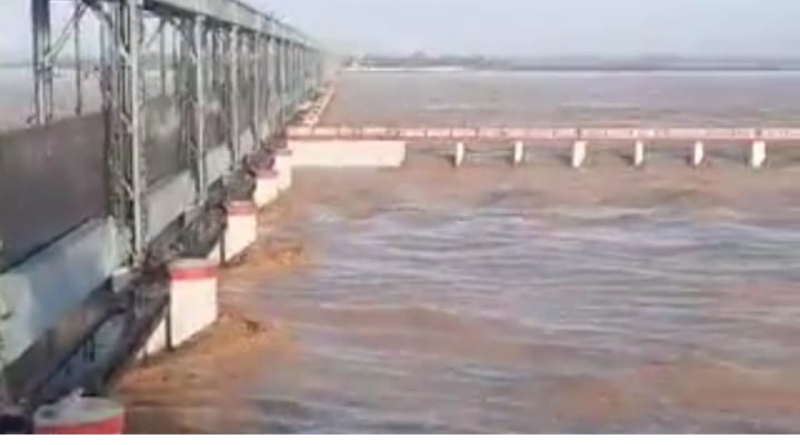
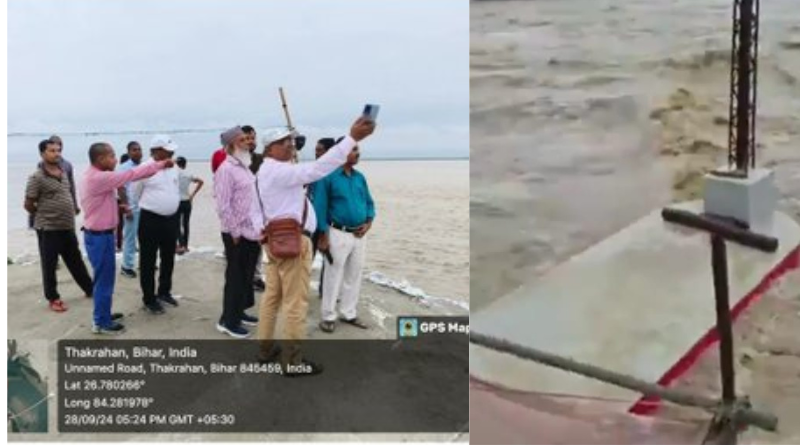
Constructed between 1968 and 1969 on the Gandak River near the India—Nepal border, the Valmikinagar barrage is a lifeline for northwestern Bihar.
Located in West Champaran, the 739-metre-long structure supports irrigation across Bihar, Uttar Pradesh, and Nepal.
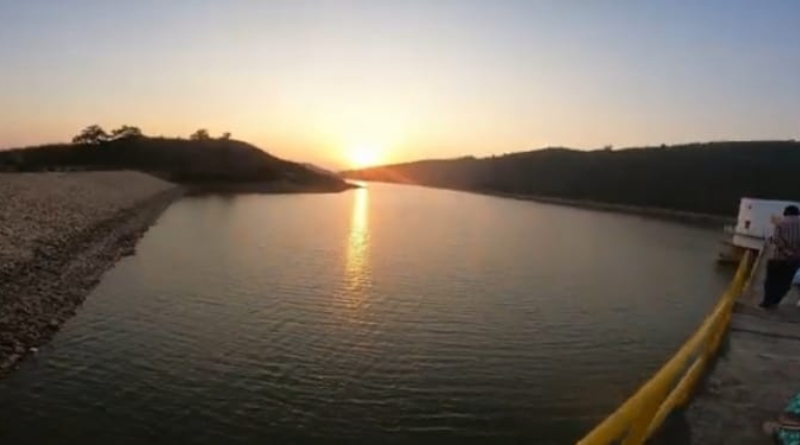
Developed under a bilateral agreement between India and Nepal (1959, modified in 1964), the project feeds the Eastern and Western Gandak canal systems and also includes a 15 MW hydroelectric power station.
The dam site lies close to the Valmiki Tiger Reserve and the historic Valmiki Ashram, adding to its tourism potential.
Gangaji Rajgir Reservoir:
Part of the Har Ghar Gangajal scheme, this reservoir plays a crucial role in supplying treated Ganga water to Rajgir.
Water is lifted from Hathidah Ghat in Mokama and transported through a 190.0 km pipeline network.
With a live storage capacity of about 9.91 million cubic metres, the reservoir is supported by a 24 MLD water treatment plant.
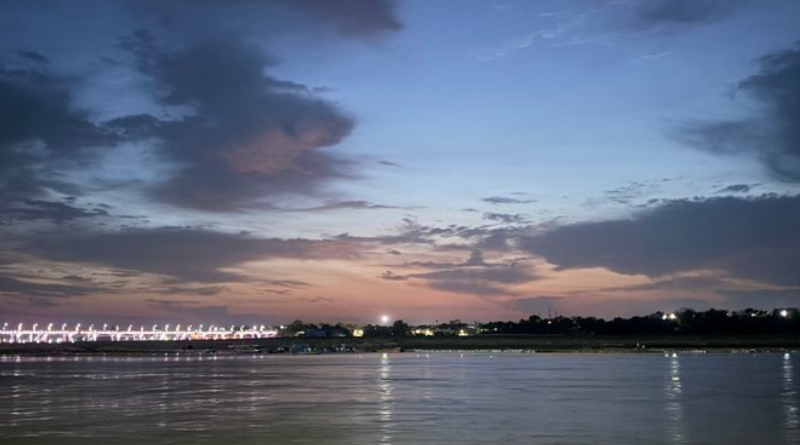
Located between Ghoda Katora Lake and Panchane River, the project combines utility with scenic appeal, making it an ideal candidate for tourism development.
As part of Bihar’s push to transform dam and reservoir sites into tourism hubs, several scenic locations across the state are emerging as major eco-tourism destinations.
These sites combine natural beauty, recreational opportunities, and infrastructure potential, making them ideal for travelers seeking offbeat experiences.
Haveli Kharagpur Lake (Munger):
Located near Khargarpur Block in Munger, Haveli Kharagpur Lake is a serene natural reservoir nestled amidst hills. Known for its lush greenery and peaceful atmosphere, it has become a favorite picnic and leisure destination.
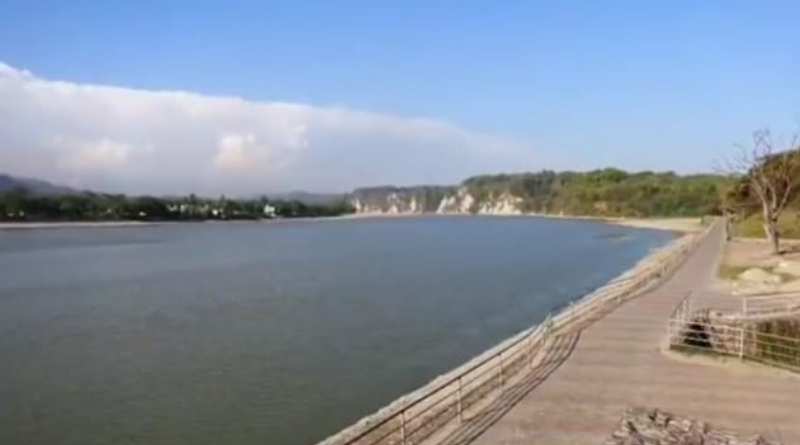
Visitors can enjoy boating (approx. Rs 50 per ride), nature walks, and mesmerizing sunset views.
Situated just about 3 km from the town, the lake is easily accessible and is widely regarded as one of the major natural attractions of the district.
Kundghat Reservoir (Jamui):
Situated in the Sikandra block of Jamui, the Kundghat Reservoir is rapidly gaining prominence as a family-friendly tourist destination.
The project, whose foundation stone was laid by Nitish Kumar in 2008, has grown into a massive structure with a height of 33 meters and a command area of over 5,000 acres.
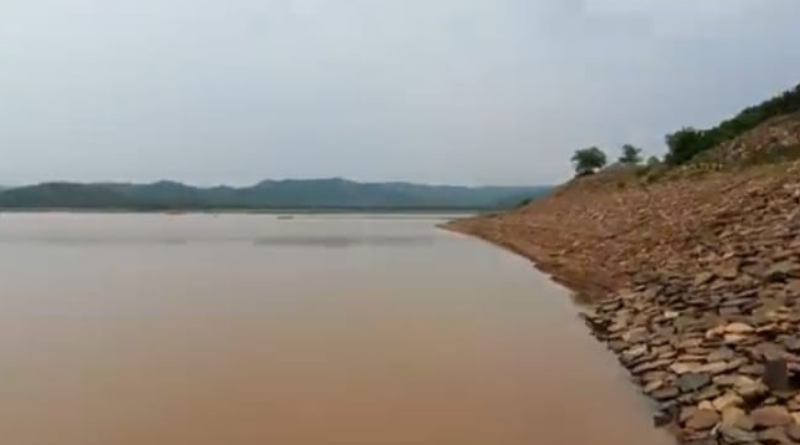
Surrounded by hills, it offers a perfect setting for a picnic and relaxation.
With further development—such as boating, viewpoints, selfie zones, and parks—the site holds immense potential to evolve into a major eco-tourism hub. The surrounding terrain is also ideal for trekking and photography.
Garhi (Upper Kiul) Reservoir (Jamui):
Also located in Jamui, the Garhi (Upper Kiul) Reservoir is known for its peaceful and natural beauty.
Surrounded by greenery and hills, it offers a tranquil escape for nature lovers.
Though currently less developed due to connectivity constraints, it is part of the state’s broader tourism vision and is expected to gain prominence alongside nearby sites like Nagi Dam.
Morwe Reservoir:
It is also located in Jamui district and is known for its peace and natural beauty. People in the district consider it a picnic spot, and the Bihar government is aiming to attract domestic and foreign tourism.
Odhni Dam (Banka):
Located in Banka district, Odhni Dam stands out as an adventure tourism hotspot.
The site offers a mix of scenic beauty and thrilling water sports.
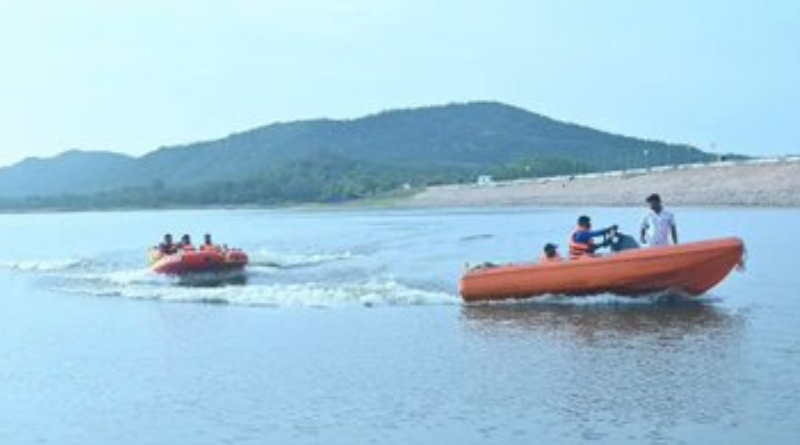
Facilities such as motorboats, speed boats, and jet skiing have been introduced, making it a popular destination for youth and families alike.
With proper parking, food options, and safety measures in place, it has evolved into a vibrant picnic and recreation spot.
Phulwaria Dam (Nawada):
Situated in Rajauli block of Nawada near the Jharkhand border, Phulwaria Dam is often referred to as the “Meghalaya of Bihar” due to its lush, hilly surroundings.
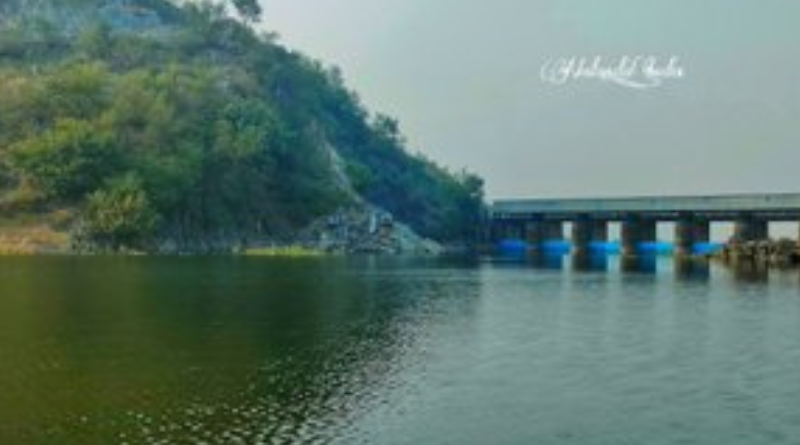
Built across the Tilaiya River in the 1980s, the reservoir features small islands and offers boating and scenic picnic spots. Recently, it has drawn attention due to the emergence of a submerged century-old mosque, adding historical intrigue to its natural charm.
Tourism potential:
These sites highlight Bihar’s untapped natural tourism potential. With planned investments in infrastructure, amenities, and connectivity, the state aims to promote eco-tourism and adventure tourism, create employment opportunities, attract both local and out-of-state visitors, and showcase Bihar’s natural and scenic diversity.
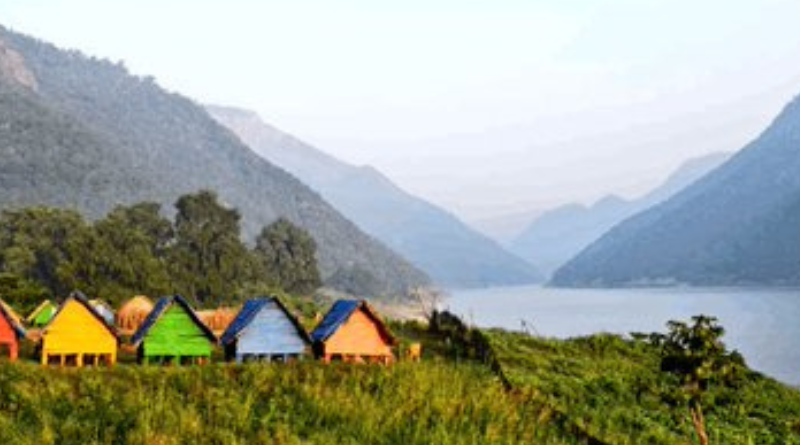
Together, these reservoirs and dams are set to redefine Bihar’s tourism landscape—offering a refreshing alternative to its traditional religious and historical destinations.
Tourism push and future prospects:
The proposed development of these sites is expected to transform them into eco-tourism hubs, combining natural beauty with infrastructure such as viewing points, recreational facilities, and improved accessibility.
By integrating irrigation infrastructure with tourism, the Bihar government aims to promote sustainable tourism, generate local employment, boost regional economies, and showcase Bihar’s natural and cultural heritage.
This initiative marks a significant step toward diversifying Bihar’s tourism landscape beyond its traditional religious and historical circuits.
Also Read: Chirag Paswan admitted that the flood in North Bihar is alarming.
EOM.