
Photo Credit: The Suncity News & Social Media.
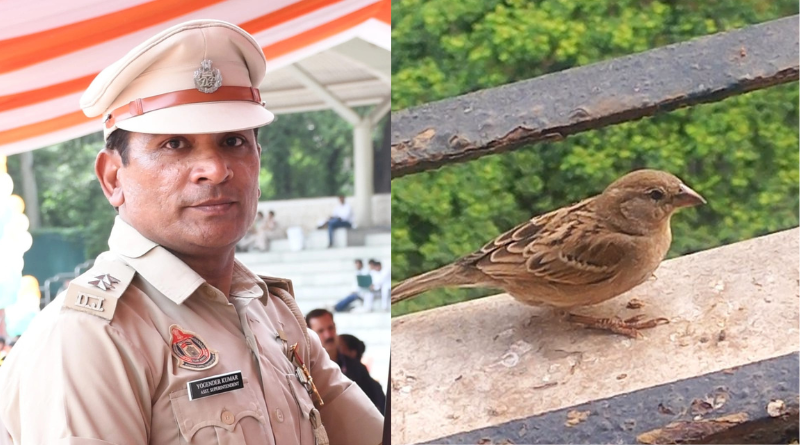
New Delhi, March 20, 2026: Every year on March 20, the world observes World Sparrow Day, an initiative started in 2010 by Mohammad Dilawar, founder of the Nature Forever Society.
The aim is simple yet urgent: to raise awareness about the conservation of sparrows, a bird once abundant but now rapidly disappearing.
Recognizing its importance, the Government of Delhi declared the sparrow as the state bird in 2012, followed by the Government of Bihar in 2013.
These steps were not just symbolic; they were a reminder of how deeply this tiny bird is woven into our lives.
Sparrow close to human life:
The tiny bird has always been a companion to human settlements.
In Indian culture, it is more than just a bird; it is a symbol of good fortune, peace, and prosperity.
There has long been a belief that a home where sparrows build a nest is blessed with happiness and harmony.
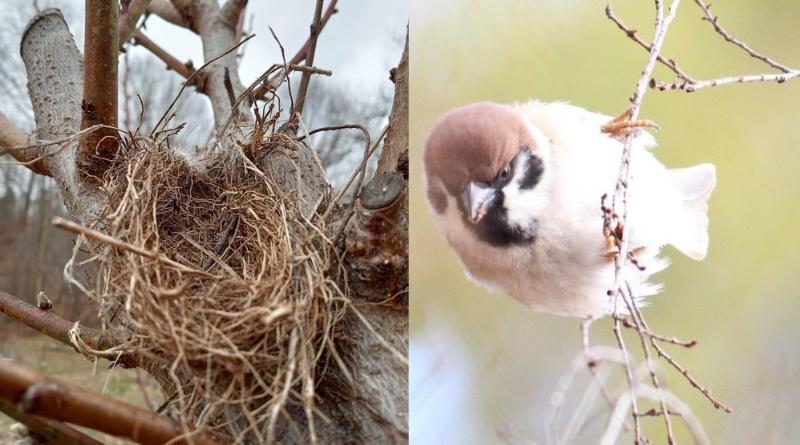
Many of us still remember a time when morning begin with the cheerful chirping of sparrows, as if nature itself was greeting us.
Evenings, too, carried their soft sounds, marking the transition from day to night. Those simple, beautiful moments now feel increasingly rare.
Fading traditions, changing society:
There was a time when our elders would place grains and water outside their homes every morning, for sparrows, cows, and other animals.
They were treated as part of the family. Today, in the rush of modern life, such traditions are fading.
The contrast is stark. A society that once nurtured nature is now often seen distancing itself not just from animals, but sometimes even from its own values and relationships.
In such a scenario, the disappearance of it reflects a deeper disconnect between humans and the natural world.
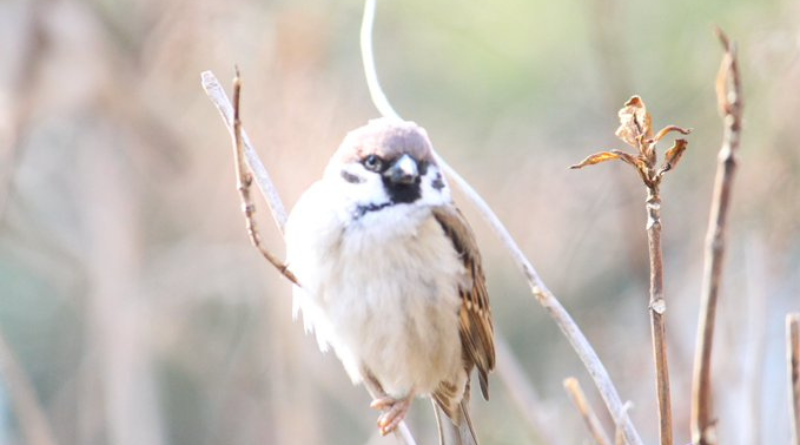
Sparrows are not just culturally significant; they are ecologically vital.
They feed on insects and pests, helping control malaria and dengue by reducing mosquito populations.
Their presence contributes to maintaining ecological balance, which is essential for a healthy environment.
“An inspiring example comes from Tihar. Here, sparrow conservation has become a meaningful initiative,” said Yogendra Kumar, Assistant Superintendent of Tihar and animal welfare representative of Animal Welfare Board of India.
“Inmates, along with the administration, actively participate in protecting birds. Particularly in Mandoli Cell, sparrows are found in significant numbers,” Kumar said.
The effort has led to two remarkable outcomes. A positive transformation in inmates’ mindset, from aggression to compassion,” he said.
Every year, World Sparrow Day is observed within Tihar, making it a powerful example of how environmental efforts can also bring social change.
“The declining number of sparrows is a warning sign. It tells us that our environment, and our relationship with it, is under stress,” he said.
“Now is the time for collective action. Keep water and grains for birds, create nesting space in homes and buildings, avoid excessive use of pesticides, and support awareness and conservation initiatives. If we act together, we can bring the familiar chirping that once filled our mornings and evenings,” he said.
Saving the sparrow is not just about protecting a bird; it is about restoring a part of our culture, our environment, and our emotional connection with nature.
Let us take a small step today, so that future generations can once again wake up to the gentle, joyful sound of sparrows.
Also Read: Wetlands nurture ecosystems, communities and culture: Bhupendra Yadav on World Wetlands Day 2026.
EOM.