MCG signs MoU with A-PAG to improve air quality in Gurugram.
Photo Credit MCG
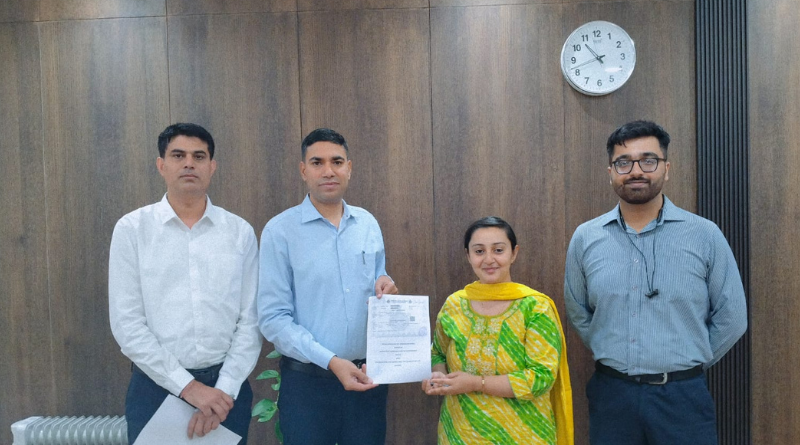
Gurugram, March 18, 2026: In a major step toward tackling rising air pollution, the Municipal Corporation of Gurugram (MCG) has signed a Memorandum of Understanding (MoU) with the Foundation for Improving the Quality of Life (A-PAG).
The agreement is being seen as a significant initiative to improve air quality in Gurugram.
MCG is focusing on pollution control:
Under the MoU, both organizations will jointly develop and implement short-term and long-term strategies aimed at reducing pollution levels and ensuring a healthier environment for residents.
A-PAG will play a key role in identifying major sources of pollution in the city, including construction activities, road dust, and industrial emissions, and will recommend scientific and practical solutions to mitigate them.
The initiative emphasizes a data-driven strategy, involving the collection, monitoring, and analysis of pollution-related data.

This will help ensure that policies and action plans are based on accurate information, improving their effectiveness and implementation.
As part of the agreement, officials and staff of MCG will receive specialized training to strengthen the enforcement and execution of pollution control measures.
In addition, awareness campaigns will be conducted to encourage active public participation in reducing pollution.
Technical and policy support to MCG:
A-PAG will extend technical assistance to the MCG and collaborate in drafting policies related to pollution control.
It will also support the implementation of targeted action plans designed to curb emissions across key sectors.
MCG commissioner Pradeep Dahiya described the agreement as a pivotal step towards ensuring a cleaner and healthier Gurugram.
He added that A-PAG will also conduct surveys in areas under the Gurugram Metropolitan Development Authority (GMDA), and through coordinated efforts, authorities aim to make the city cleaner and pollution-free in the near future.
Gurugram is considered a big industrial hub in India:
Gurugram (formerly Gurgaon) is a rapidly growing urban and industrial hun in India, known for its high-rise residential complexes, upscale commercial hubs, and extensive manufacturing sectors, which together create significant environmental challenges.
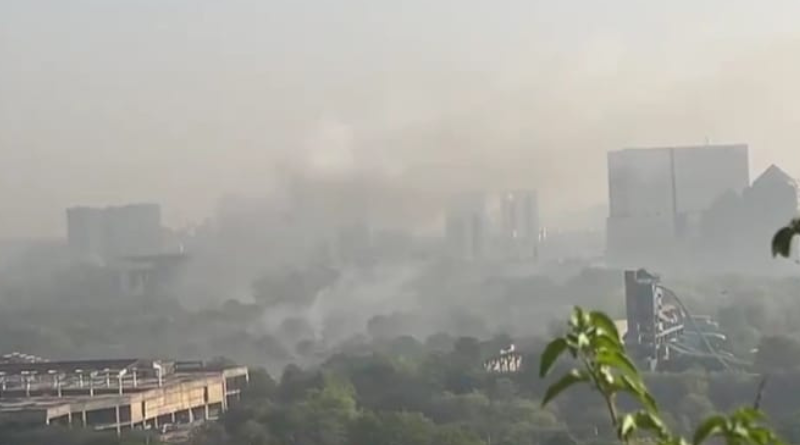
The city, located in the Delhi NCR region, frequently faces severe air quality issues, often ranking among the most polluted cities in the world.
Manesar, Udyog Vihar, Sector 37, and Kherki Dhola host a massive number of industries that release gases and particulate matter.
Manesar, in particular, is an industrial town (IMT) packed with orange-and red-category industries, which often experience poor waste management, including burning industrial waste.
Continuous development, including high-rise apartments and infrastructure projects, results in massive construction dust.
Areas such as Sector 37, situated near the Hero Honda Chowk, face heavy dust pollution from ongoing construction.
The city has one of the highest vehicular ownership rates in the country—approximately 323 cars per 1,000 people—leading to severe traffic congestion, particularly on NH-8 (Delhi-Jaipur Highway) and in industrial hubs like Udyog Vihar.

Thousands of industrial units, high-rise apartments, and commercial complexes in areas like MG Road use diesel generators (DG sets) for power backup, especially when grid electricity fails, contributing significantly to particulate matter (PM 2.5 and PM10).
The rapid development has led to the loss of natural vegetation, including the Aravali range, which traditionally acts as a barrier against dust from the Thar Desert.
The combination of these factors leads to a very high Air Quality Index (AQI), often entering the ‘Poor’ or ‘Severe’ categories, especially during winter months when local pollutants are trapped.
Smog often reduces visibility to near zero and causes severe health issues for residents in high-rise buildings and slums alike, despite the disparity in their resources to combat it.
Some residential societies, such as those in Sector 82, have experimented with rooftop water sprinklers and artificial rain to combat high air pollution.
Authorities have implemented measures like the Graded Response Action Plan (GRAP) and are focused on increasing green cover and reducing waste burning.
EOM.