Jal Jeevan Mission covers over 81% Rural Households with tap water connections: Government.
Photo Credit: Social Media
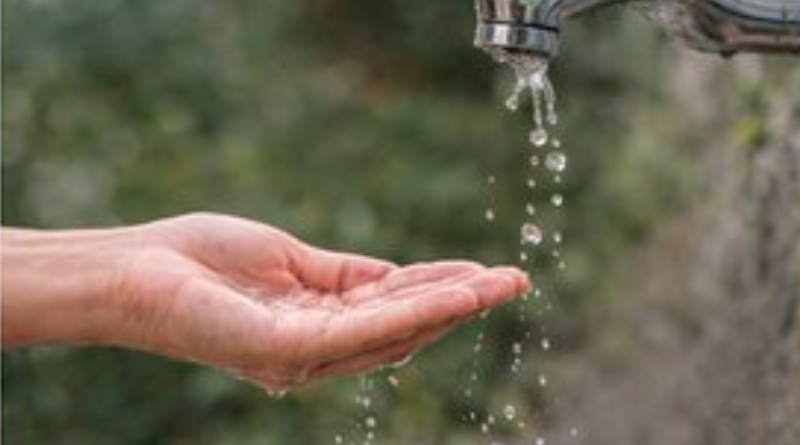
New Delhi, February 5, 2026: The Government of India, in partnership with State and Union Territory governments, has made significant progress under the Jal Jeevan Mission (JJM)—Har Ghar Jal, launched in August 2019, to provide tap water to every rural household in the country.
At the time of the launch, only 3,23 crore rural households (16.72%) had tap water connections. As per data reported by States and UTs, around 12.59 crore additional rural households have since been provided tap water connections under the mission. As of 28 January 2026, more than 15.79 crore out of 19.36 crore rural households (81.57%) across the country now have a tap water supply at home.
Budgetary support and extension of the Jal Jeevan Mission:
The total estimated outlay of the Jal Jeevan Mission was Rs 3.60 lakh crore, of which the Central share was Rs 2.08 lakh crore. The approved Central outlay has almost been fully utilized up to FY 2024-25.
Considering the progress achieved and the ongoing works, the Union Finance Minister, in the Budget 2025-26, announced the extension of the Jal Jeevan Mission till December 2028, along with an enhanced total outlay. An allocation of Rs 67,000 crore has been made for Jal Jeevan Mission during FY 2025-26.
Role of states and key challenges:
As drinking water is a state subject, the responsibility for planning, approval, implementation, operation, and maintenance of drinking water supply schemes under Jal Jeevan Mission lies with the respective State and UT governments. The Government of India supports these efforts by providing technical and financial assistance.
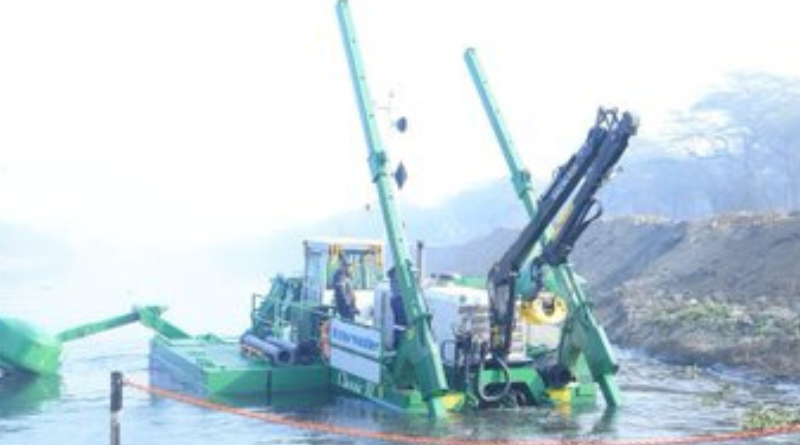
States have reported several challenges in implementation, including: Scarcity of dependable water sources in water-stressed regions, Geogenic contamination of water, Difficult terrain and scattered habitations, Limited technical capacity, Rising material costs, and Delays in statutory and environmental clearances.
Government measures to address challenges:
To overcome these challenges, the Government has introduced multiple support mechanisms, including: Special assistance for capital expenditure, Appointment of nodal officers to fast-track statutory clearances, Establishment of State Program Management Units (SPMUs) and District program Management Units (DPMUs), Launch of the Nal Jal Mitra program to strengthen local technical skills.
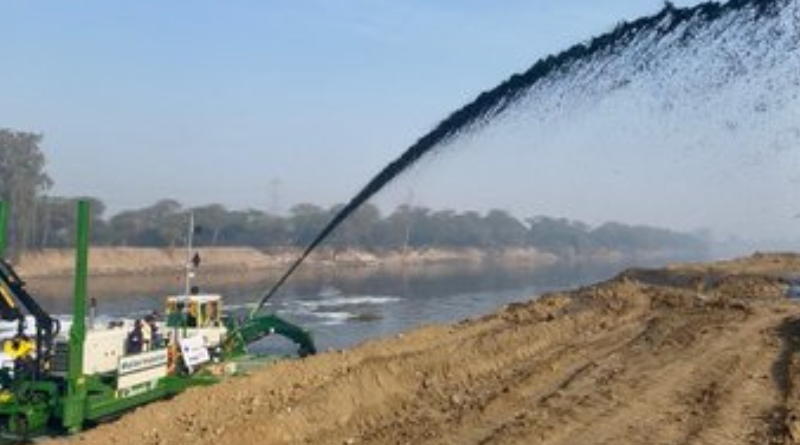
Additionally, initiatives such as Jal Shakti Abhiyan: Catch the Rain promote source sustainability, community-led water conservation, and women’s leadership to ensure long-term drinking water security.
Functionality assessment of tap water connections:
The Department of Drinking Water & Sanitation conducts regular assessments of the functionality of household tap water connections through independent third-party agencies using standard statistical sampling methods.
The Functionality Assessment 2024 was conducted across 19,812 Har Ghar Jal villages, 2,37,608 households, 761 districts, 34 States and Union Territories.
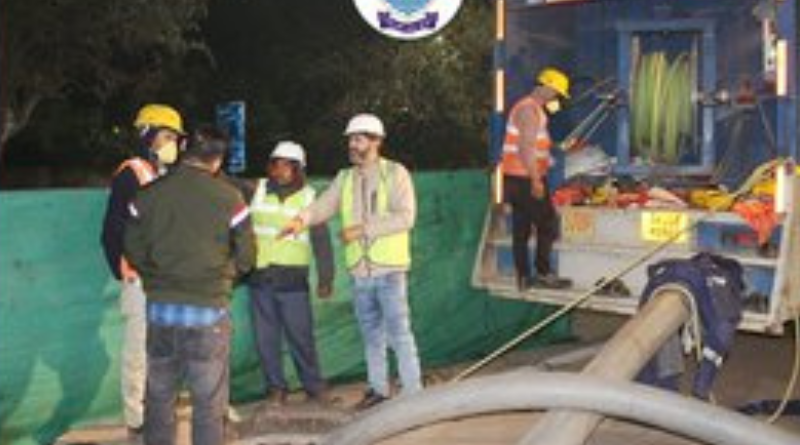
Key findings include: 98.1% of households had tap connections in surveyed villages, 86.5% had working tap connections, 80.2% received water in adequate quantity, 83.6% received water regularly as per supply schedules, 76% received water meeting prescribed quality standards.
The detailed national and state-wise report of the Functionality Assessment 2024 is available in the public domain on the Jal Jeevan Mission website.
This information was provided by the Minister of State for Jal Shakti V. Somanna, in a written reply in the Lok Sabha
EOM.