From ancient Magadh kings to Nitish Kumar: Longest-serving rulers linked to Bihar’s political history.
Photo Credit: The Suncity News
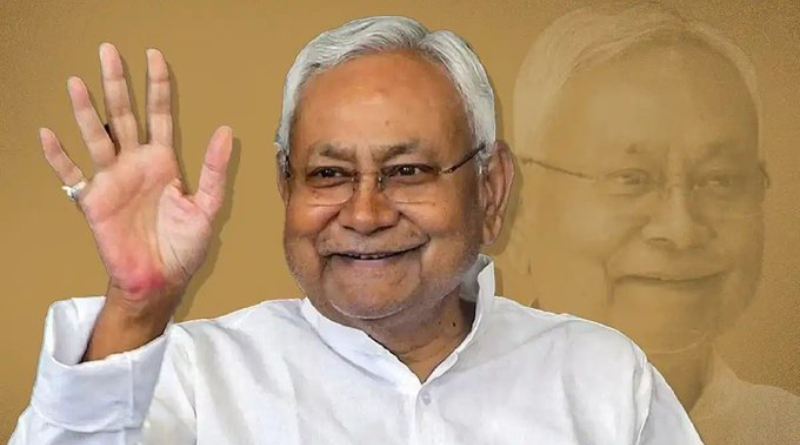
Patna, March 6, 2026: With Nitish Kumar filing his nomination for the Rajya Sabha, the possibility of the end of his two-decade-long rule in Bihar has sparked discussions about some of the longest-serving rulers associated with the region—from the era of ancient Magadh to modern democratic leadership.
For centuries, the region that now forms Bihar has witnessed powerful rulers whose reigns shaped Indian history.
Ancient rulers of Magadh to Nitish Kumar:
One of the earliest notable rulers was Bimbisara, the king of the Haryanka Dynasty, who ruled around 545—492 BCE.
He expanded the Magadh kingdom through conquests and strategic marriage alliances, laying the foundation for Magadh’s rise as a major political power.
His son Ajatashatru succeeded him after overthrowing his father. Ajatashatru ruled approximately between 493 and 462 BCE and further strengthened the kingdom’s military and political influence.
Centuries later, Chandragupta Maurya established the powerful Maurya Empire around 321 BCE.
Guided by his mentor Chankya, Chandragupta created one of the first nearly pan-Indian empires with a highly centralized administrative system.
He was succeeded by his son Bindusara, who expanded Mauryan influence further into the Deccan region and ruled roughly between 297 BCE and 273 BCE.
The Mauryan Empire reached its peak under Ashoka the Great (268—232 BCE). Ashoka promoted the ethical code of Dhamma. His reign is remembered for administrative reforms and the spread of Buddhism across Asia.
Another influential ruler connected to the region was Samudragupta of the Gupta Empire, who ruled during the 4th century CE.
Known as one of ancient India’s greatest conquerors, Samudragupta expanded the Gupta Empire through extensive military campaigns and established a powerful imperial structure.
Modern political leadership in Bihar:
In modern democratic India, Shri Krishna Singh, popularly known as Shri Babu, became the first Chief Minister of Bihar. He served from 1946—1961, promoting social reforms and strengthening the foundations of governance in the state.
The fifteen tears combined tenure of Lalu Prasad Yadav and Rabri Devi from 1990 to 2005 was also a transformational phase in Bihar in terms of social justice and empowerment of backward castes.
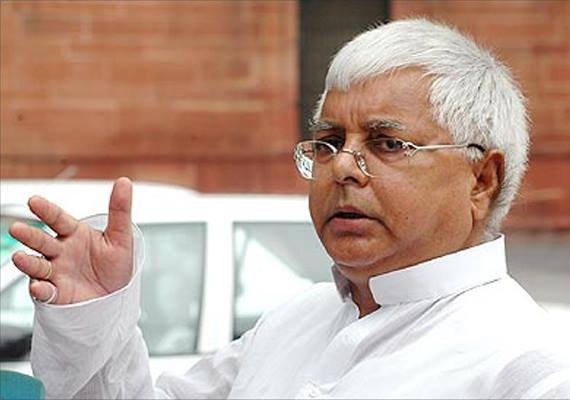
In contemporary politics, Nitish Kumar has emerged as the longest-serving Chief Minister of Bihar.
First assuming office in 2005 (with a brief tenure in 2000), Nitish Kumar led multiple governments and remained a central figure in the state’s politics for nearly two decades.
Under his leadership, Bihar witnessed several policy initiatives related to infrastructure, governance reforms, and social welfare.
A possible political transition:
Now, with Nitish Kumar seeking entry into the Rajya Sabha, Bihar may be heading towards a new phase in its political journey.
His departure from the Chief Minister’s post could mark the end of one of the longest leadership eras in the state’s democratic history.
From the powerful emperors of ancient Magadh to modern political leaders, Bihar’s history reflects a long tradition of influential rulers who shaped governance and society across centuries.
Also Read: Nitish Kumar: from student leader to the threshold of the Rajya Sabha.
EOM.

Pingback: Nitish Kumar assures JDU leaders Rajya Sabha move won’t affect Bihar; son Nishant Kumar will join party on Saturday.