

Photo Credit: Agriculture Department Bihar.
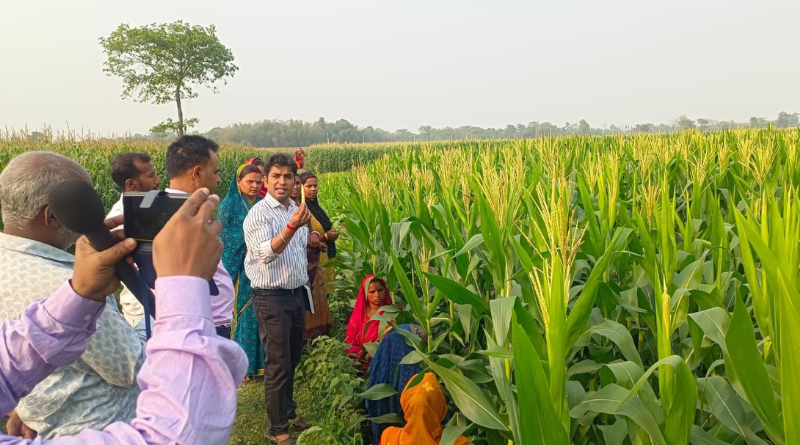
Patna, March 21, 2026: March is an important window in Bihar, marking the beginning of the summer cropping season, which bridges the gap between the Rabi (winter) and Kharif (monsoon) cycles.
The warming weather, longer daylight hours, and availability of residual soil moisture make it an ideal time for sowing quick-growing crops.
Ideal crops for March sowing:
Farmers in Bihar typically focus on crops that mature before the monsoon arrives in June.
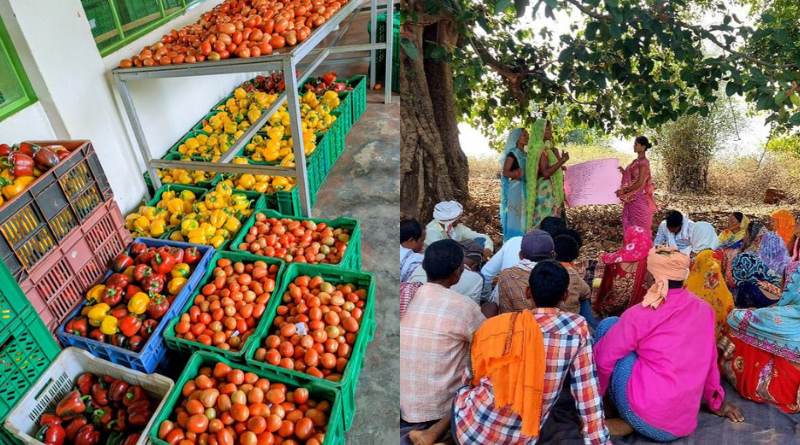
This time is ideal for vegetables like bitter gourd (kerala), bottle gourd (lauki), pumpkin, cucumber, okra (bhindi), brinjal (eggplant), and tomato and fruits like watermelon, muskmelon.
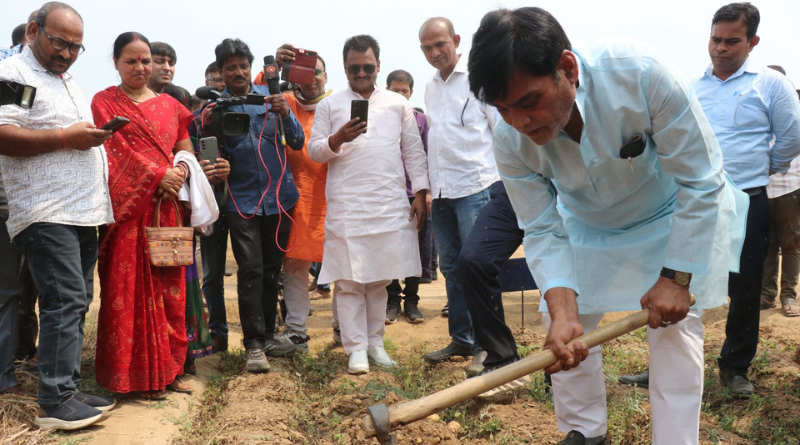
These thrive especially well in the sandy, fertile Genetic plains.
Farmers also look at green gram (moong), a popular short-duration summer pulse crop, summer maize, fodder crops (for livestock), and early sowing of jute from mid-March in suitable areas.
Why March is ideal:
During March, rising temperatures support faster germination and growth, longer daylight hours enhance flowering and yield, residual soil moisture from winter helps reduce irrigation needs, and well-drained soil conditions improve productivity.
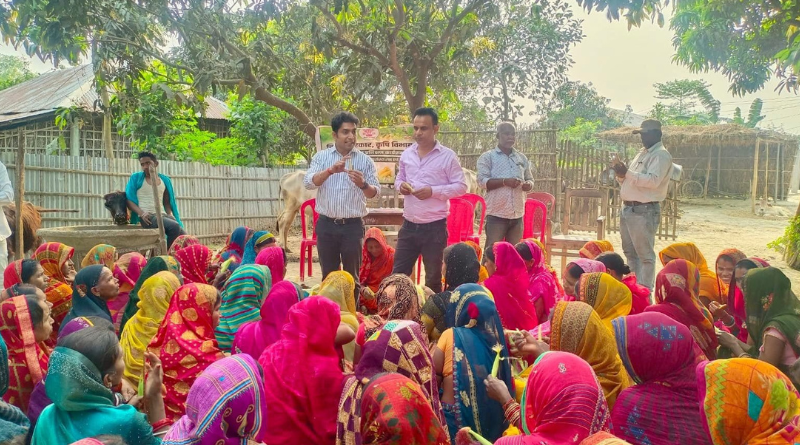
It provides additional income between major cropping seasons, efficient use of land and resources during the lean period, and helps maintain soil productivity and diversity.
Women farmers emerging as a key force in Bihar agriculture:
The role of women in agriculture is becoming increasingly significant in Bihar, with women farmers now owning nearly 30% of the cultivable land.
This marks a major shift in the rural economy, highlighting their growing influence in both farming practices and decision-making.
Women farmers are not just participating—they are leading change by adopting modern agricultural technologies such as farm machinery and tools, drone-based monitoring and spraying, improved and hybrid seeds, and scientific farming techniques.
These innovations are helping reduce costs, increase productivity, and make agriculture more sustainable and profitable.
The Bihar government is aiming for significant output between 2025 and 2030:
Under the state government’s ambitious ‘Saat Nischay-3 (2025—2030) program, Bihar aims to significantly boost agricultural output.
The state government is aiming for 3.93 lakh MT to 11.27 lakh MT pulse. Similarly, from 1.24 lakh MT to 4.81 lakh MT of oilseeds.
It has also been looking at maize production from 66.02 lakh MT to 133.05 lakh MT.
The Nitish Kumar government is also aiming for area expansion from 2.58 lakh hectares to 3.60 lakh hectares between 2025 and 2030.
During this period, Fruit production is expected to increase from 383.91 lakh MT to 679.19 lakh MT and vegetables from 180 lakh MT to 300 lakh MT.
These targets reflect a strong push toward self-reliant agriculture and higher farmer incomes.
To ensure better yields, farmers—especially women farmers—are being advised to maintain regular care during the flowering of Mango and Litchi cultivation. The farmers have been advised to use organic pesticides for pest control.
For spring maize management, farmers are advised by the agriculture department of Bihar to timely sowing and irrigation, install bird perches and light traps to control pests, and if needed, apply recommended granular insecticides in proper dosage.
For expert guidance, farmers can contact the Kisan Call Centre (1800-180-1551) for real-time assistance.
The increasing participation of women farmers is not just a social change—it’s an economic transformation.
By combining traditional knowledge with modern technology, women in Bihar are strengthening agriculture, improving livelihoods, and paving the way for a more resilient rural economy.
Also Read: Ram Kripal Yadav announced Bihar Nursery and Green-Tech Conclave 2026 will be held in Patna.
EOM.










































































































































One Response