Union Cabinet approves 11.56-km Noida Metro Extension from Sector 142 to Botanical Garden.
Photo Credit: Social Media

New Delhi, February 14, 2026: The Union Cabinet, chaired by Prime Minister Narendra Modi, has approved the 11.56-kilometre extension corridor of the Noida Metro Rail Project from Noida Sector 142 to Botanical Garden Metro Station. The approved corridor will comprise eight elevated stations.
With the commissioning of this extension, the operational metro rail network in Noida and Greater Noida will expand to 61.62 kilometres, marking a major milestone in the region’s urban transport infrastructure.
Improved connectivity and integration of Noida Metro:
The new corridor will significantly enhance public transport connectivity in Noida by linking high-density residential, commercial, and institutional zones.
It will also provide seamless interchange with Delhi Metro’s Blue Line and Magenta Line at the Botanical Garden station, improving access to key transit corridors.
The extension will connect several prominent commercial and IT hubs, including Advent Business Park (Sector 142), Skymark One Mall (Sector 98), and Mall of Noida (Sector 93).
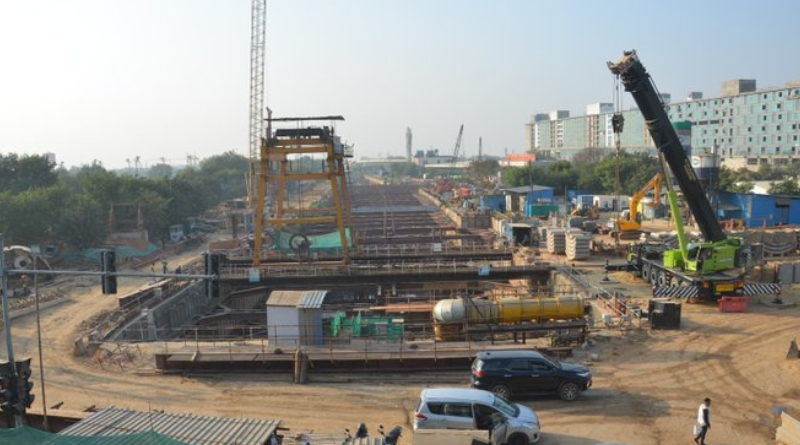
Major corporate campuses such as Microsoft (Sector 145), TCS (Sector 157), Havells (Sector 126), Infosys and Adobe (Sector 132), Cognizant (Sector 135), and Oracle (Sector 127) will also benefit from direct metro access.
Educational institutions like Amity University (Sector 125), Panchsheel Bal Inter College (Sector 91), and Mahamaya Balika Inter College (Sector 44), along with healthcare facilities such as Max Super Speciality Hospital (Sector 128), will gain improved connectivity through Noida Metro.
Tourist and recreational destinations, including the Botanical Garden and Sector 93 Park, will also be integrated into the Noida metro network.
Economic, environmental and social impact:
The extension is expected to substantially reduce road traffic congestion by offering a reliable alternative to private vehicles, leading to smoother traffic flow, reduced travel time, and enhanced road safety.
From an environmental perspective, increased Noida metro usage is projected to lower carbon emissions and reduce dependence on fossil fuel-based transport.
Improved connectivity is also anticipated to drive economic growth by enhancing workforce mobility, increasing productivity, and attracting investment in areas surrounding the new metro stations.
Additionally, the project is expected to promote social equity by expanding access to affordable public transport for diverse socio-economic groups.
Overall, the Noida Sector 142 to Botanical Garden Extension is set to play a transformative role in shaping Noida’s future growth, strengthening sustainable urban mobility, and improving the quality of life for residents and commuters alike
EOM.

Pingback: Cabinet approves Rs 9,072 crore rail projects to boost connectivity across four states.