India’s power transmission network crosses 5 lakh circuit km, and transmission capacity reaches 1,407 GVA.
Photo Credit: Social Media
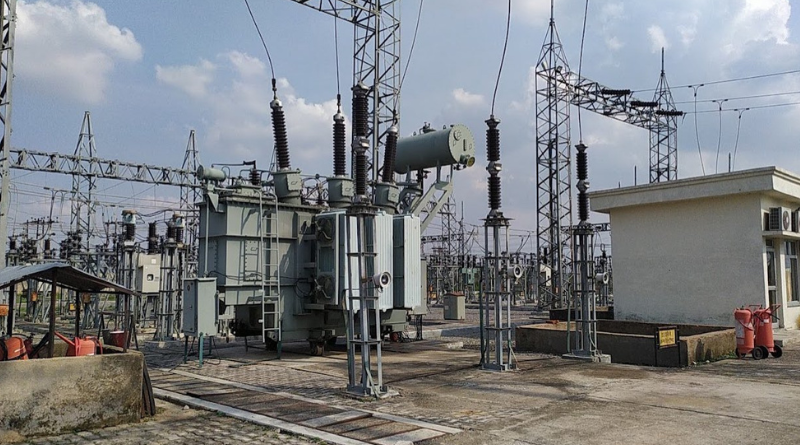
New Delhi, January 22, 2026: India’s national power transmission network has achieved a major milestone, crossing 500,000 circuit kilometers (ckm) of transmission lines (220 kV and above) and reaching a transformation capacity of 1,407 GVA (220 kV and above).
The world’s largest synchronous national grid achieved this feat on January 14, 2026, with the commissioning of a 628 km-long 765 kV power transmission line from Bhadla II to Sikar II substation, built for the evacuation of renewable energy from the Rajasthan renewable energy zone.
The new line will enable the transmission of an additional 1,100 MW of power from the Bhadla Ramgarh and Fatehgarh solar power complexes.
The national power transmission network has achieved massive expansion since 2014:
Since April 2014, India’s power transmission network has expanded significantly, registering a 71.6 percent increase with the addition of 209,000 km of transmission lines (220 kV and above).
During the same period, transmission capacity has increased by 876 GVA (220 kV and above), reflecting the scale of ongoing grid strengthening efforts.
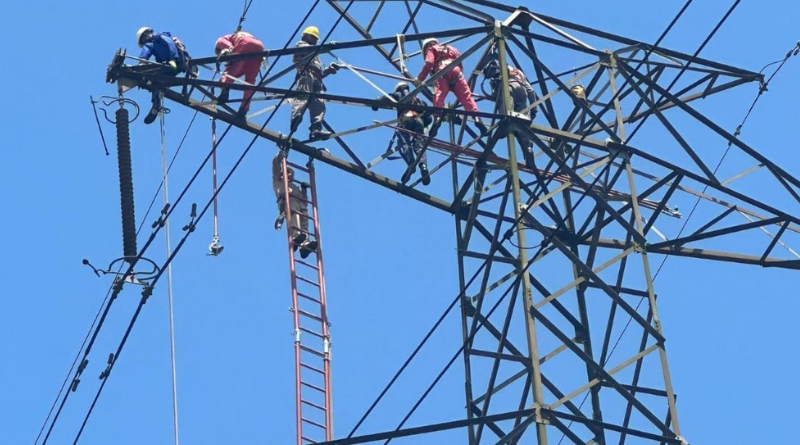
The inter-regional power transfer capacity, now at 120,340 MW, has enabled seamless transfer of electricity between regions, successfully realizing the vision of “One Nation—One Grid—One frequency.”
Projects underway and in planning:
Inter-state transmission projects currently under implementation are expected to add around 40,000 km of power transmission lines and 399 GVA of transformation capacity.
In addition, projects under planning are projected to add another 27,500 ckm of power transmission lines and 134 GVA of transformation capacity.
These expansions will further enhance grid reliability, strengthen power evacuation capabilities, and support rising electricity generation from non-fossil sources.
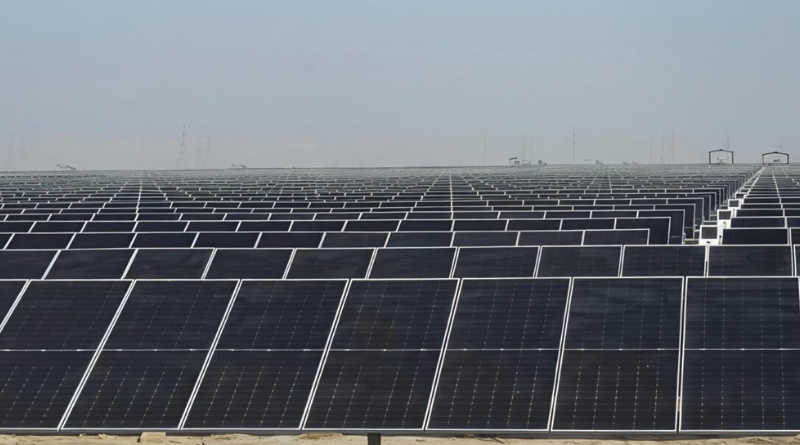
The power transmission boost is also aligned with India’s target of achieving 500 GW of non-fossil fuel-based power capacity by 2030.
Crossing the 5 lakh ckm mark is being seen as a landmark achievement reflecting the government’s continued focus on ensuring a reliable, affordable, and secure power supply across the country, while supporting the rapid integration of renewable energy into the national grid.
Also Read: Manohar Lal Khattar inaugurates the Centre of Excellence for power sector regulation at IIT Delhi.
EOM.