IIT Roorkee takes the lead in drafting a comprehensive mental health policy for the IIT system.
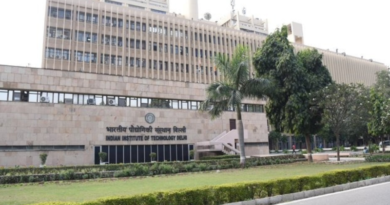
Photo Credit IIT Roorkee Media Cell.
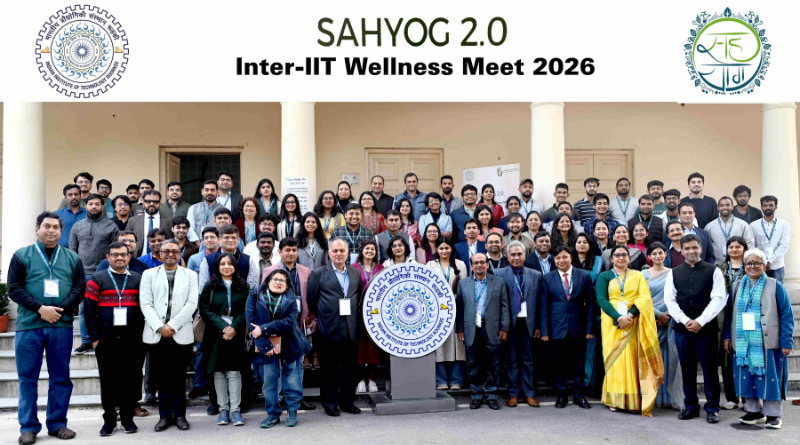
Roorkee, February 15, 2026: In a landmark initiative for higher education in India, the Indian Institute of Technology Roorkee (IIT Roorkee) has initiated the drafting of a comprehensive institutional mental health policy, setting a precedent for the entire IIT system.
The initiative marks a significant step towards structured mental health governance across India’s premier technical institutions.
The first draft of the policy has been prepared by the Wellness Centre, IIT Roorkee, the institute’s dedicated mental healthcare facility, drawing upon the collective expertise of the Dean of Student Welfare, Associate Dean of Student Wellness, Clinical Psychologists at IIT Roorkee, external advisors and faculty members.
The draft aims to create a robust, inclusive, and community-centric mental health framework for students, faculty, and staff.
SAHYOG 2.0: Strengthening inter-IIT Collaboration:
The policy formulation process was further strengthened through SAHYOG 2.0, a focused inter-Indian Institute of Technology dialogue platform designed to seek and share inputs from fellow IITs.
The objective of SAHYOG 2.0 was to learn from existing mental health policies, protocols, and governance mechanisms followed across IITs and to incorporate relevant best practices into a comprehensive institutional policy framework for the Indian Institute of Technology community.
SAHYOG 2.0 builds upon the success of SAHYOG 1.0, held in 2024, and aligns with the recent directives of the Supreme Court of India and the University Grant Commission, which underscore the critical role of higher education institutions in ensuring mental health governance and student well-being.
The deliberations during SAHYOG 2.0 focused on institutional approaches to mental health governance and policy formulation, preventive, promotive, and responsive mental health interventions.
The role of Wellness Centres, counselling calls, and students’ welfare structure in policy implementation.
The role of mental health professionals and facilitation of services provided to them, standardization and alignment to mental health policies across IITs. Formulation of Standard Operating Procedures (SOP) for crisis and emergency situations.
The collaboration sessions enabled cross-institutional learning and highlighted the importance of developing a policy that is student-centric, inclusive, and practical, ensuring the mental well-being of the entire community.
Leadership perspective:
Speaking on the initiative, KK Pant, Director of IIT Roorkee, stated, “Mental health and well-being have emerged as critical pillars of excellence in higher education. Initiatives such as SAHYOG 2.0 reflect our collective recognition of this responsibility and our commitment to building a resilient academic community.”
The institute hosted delegates including Deans, faculty members, and mental health professionals from all IITs, along with renowned external advisors from leading institutions such as AIIMS Rishikesh, GMCH Chandigarh, IHBAS, King George’s Medical University, Tata Institute of Social Sciences, Institute of Psychiatry Kolkata, OP Jindal Global Initiative, University of Delhi, and Uttar Pradesh State Institute of Forensic Sciences.
The presence of distinguished officials, a Supreme Court Advocate, and an Anthropologist further enriched the discussions, highlighting the multidisciplinary and systematic approach required for effective mental health governance.
The success of SAHYOG 2.0 reflects the institute’s steadfast commitment to cultivating an aware, compassionate, and psychologically resilient campus ecosystem.
This pioneering initiative represents a transformative step towards establishing a uniform, structured, and sustainable mental health policy framework across the IIT system, contributing significantly to the well-being of India’s higher education community.
Also Read: IIT Roorkee hosts Indo-Danish stakeholders workshop on digitalized Green Hydrogen Ecosystems.
EOM.
Pingback: Ghanshyam Prasad highlights the role of pumped storage hydropower in India’s clean energy transition.